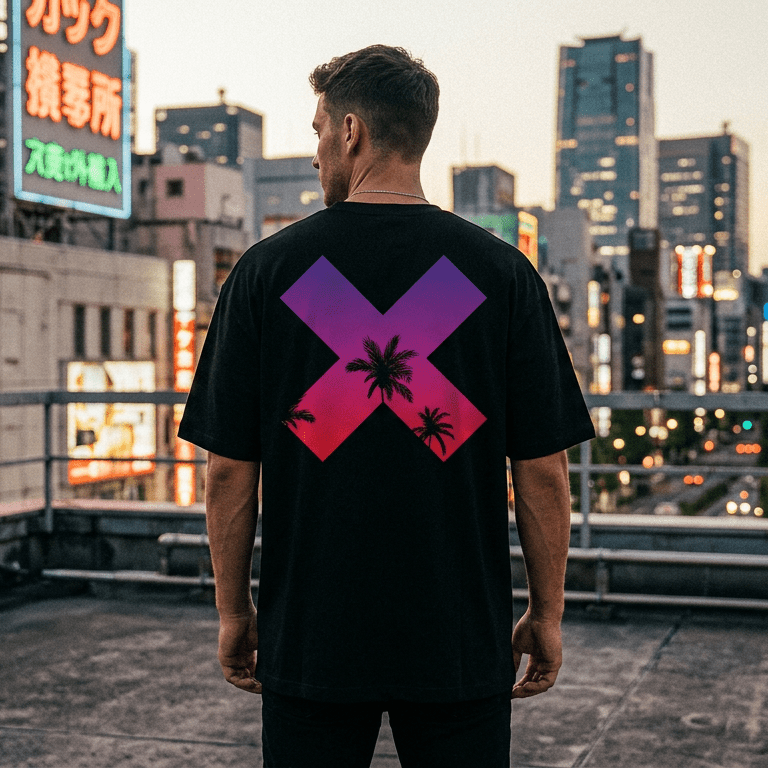
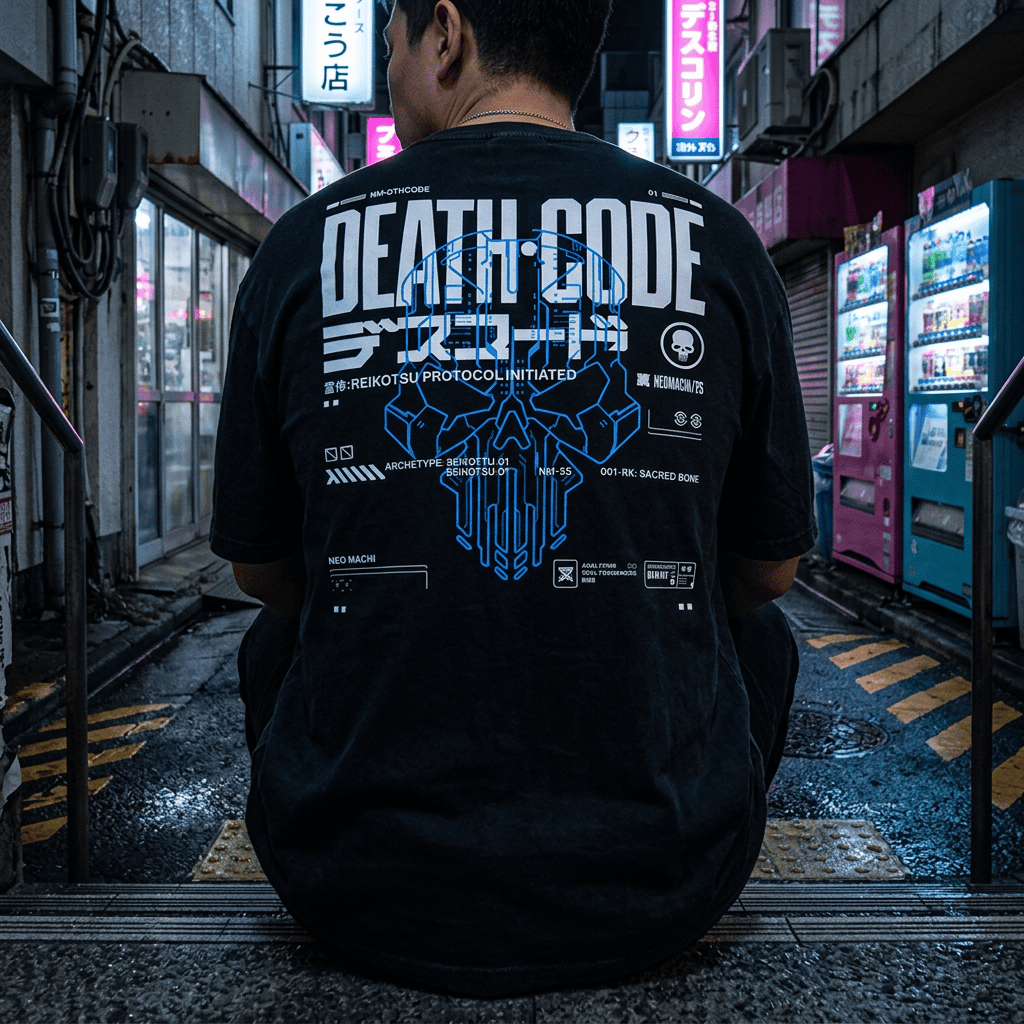
Bushido, "the way of the warrior", is one of the most romanticised ideas ever to come out of Japan. It shows up in films, games, business books and gym walls. But what was it really, and what do its famous seven virtues mean?
What is Bushido?
Bushidō (武士道) is the ethical code associated with the samurai, Japan's warrior class. It describes an ideal of how a warrior should live: loyal, brave, disciplined and honourable, prepared to die rather than lose face.
It is worth being honest about the history. Samurai culture developed over many centuries, and for much of that time there was no single written "code". Warriors followed house rules, Confucian and Zen Buddhist teachings, and unwritten custom. The term bushidō became common mainly in the Edo period (1603 to 1868), a long era of peace, when samurai had become administrators and were reflecting on what being a warrior meant.
Two texts shaped how we think about it:
- Hagakure: a collection of sayings by the samurai Yamamoto Tsunetomo, recorded in the early 1700s. Famous for its intensity about death and duty.
- Bushido: The Soul of Japan: written in English by Nitobe Inazō and published in 1900. It introduced Bushido to the West and is the main source of the "seven virtues" list.
The seven virtues of Bushido
1. Gi (義): Righteousness
Doing what is right, based on sound moral judgement rather than convenience. Nitobe called it the strictest of the virtues, the backbone that holds the others up.
2. Yū (勇): Courage
Not recklessness, but the courage to do what is right. Bravery without righteousness was considered worthless.
3. Jin (仁): Benevolence
Compassion and mercy. A warrior's power obliged them to use it for the good of others, especially the weak.
4. Rei (礼): Respect
Politeness and courtesy, even towards enemies. Rei was not about empty manners, but genuine consideration for others.
5. Makoto (誠): Honesty and sincerity
A samurai's word was meant to be enough. The phrase bushi no ichigon, "the word of a samurai", described a promise that needed no written contract.
6. Meiyo (名誉): Honour
A sense of personal dignity and worth. Honour was not granted by others; it was carried within and judged by the self.
7. Chūgi (忠義): Loyalty
Devotion to one's lord and duty. In practice this was often the virtue that overrode all others, and the source of Bushido's most dramatic stories, including the legend of the 47 Ronin.
Some lists add further virtues such as self-control (jisei) or filial piety, but these seven are the standard.
Myth versus reality
Real samurai were human. History has plenty of betrayals, changes of side and pragmatic deals. Nitobe was writing an idealised portrait for a Western audience, and in the 20th century Bushido was also bent to serve militarism.
None of that makes the virtues themselves less useful. It just means Bushido is best read as an ideal to aim for rather than a description of how every warrior behaved.
Why Bushido still resonates
Strip away the swords and you are left with a surprisingly practical framework: act with integrity, be brave for the right reasons, treat people well, keep your word and see things through. That is why it keeps being rediscovered by martial artists, athletes, gamers and designers alike.
It is also why the samurai sits so comfortably in cyberpunk. The genre is full of lone figures holding onto a personal code in a world that has lost its own. The warrior with a code in a lawless neon city is a samurai in all but name.
The code, upgraded
Our 5AMUR41 t-shirt takes the Bushido code and runs it through a cyberpunk filter: discipline, loyalty, honour and craft, rewritten in ones and zeros. It also comes as a hoodie and a bomber jacket.
For the maximalist version, SAMURAISHA says everything at once: samurai mask, crossed swords, rising sun, kanji, torii gate and geisha in one frame.
Frequently asked questions
What are the 7 virtues of Bushido?
Gi (righteousness), yū (courage), jin (benevolence), rei (respect), makoto (honesty), meiyo (honour) and chūgi (loyalty).
Did samurai actually follow Bushido?
They followed codes of conduct, but "Bushido" as a neat, named system is largely an Edo-period and later idealisation.
Is Bushido still practised?
Its values live on in Japanese martial arts such as kendō and kyūdō, and many people adopt the virtues as a personal philosophy.
Live by a code
Browse the jackets and hoodies for more samurai-inspired designs, or read what the samurai and the other recurring figures on our hoodies mean in how to choose a cyberpunk hoodie.
New to NEOMACHI? Sign up to our emails and get 15% off your first order.