The Japanese phoenix meaning in one line: the hō-ō (鳳凰) is a sacred bird of peace, virtue and good rule that appears when the world is in balance. It is not, at least originally, a bird of fire that dies and rises from its ashes. That idea belongs to the Western phoenix, which Japanese calls something else entirely: fushichō. Then there is hinotori, the "fire bird" of manga legend. Three words, three slightly different birds, and most people (and most tattoo sites) mix them up.
We have three phoenix designs in the store, FUSHICHO, HINOTORI and ŌTORI, so we get asked about this a lot. Here is the short version, then the long one.
Hō-ō vs fushichō vs hinotori: what each word means
- Hō-ō (鳳凰) is the classical Japanese phoenix, borrowed from the Chinese fenghuang. A divine, composite bird linked to peace, virtue and the imperial household. When people ask what the Japanese phoenix symbolises, this is the bird they mean.
- Fushichō (不死鳥) literally means "the bird that does not die". It is the everyday Japanese word for the Western phoenix, the one that burns and is reborn. It is also what sports writers call a player who keeps coming back.
- Hinotori (火の鳥) means "fire bird". It is best known as the title of Osamu Tezuka's manga Phoenix, and it describes the flaming, mythical bird of that story.
- Ōtori (鳳 / 大鳥) means "great bird" or "large bird", and the character 鳳 is the first half of hō-ō. It is an older, poetic way to name the same creature.
So if you want the strict answer: the Japanese phoenix is the hō-ō, and its meaning is harmony and good fortune. Rebirth came later, through the fushichō and modern pop culture, and today both ideas live side by side.
What does the hō-ō symbolise?
Peace and a just ruler
In Chinese tradition, the fenghuang shows itself only in times of peace and prosperity, under a wise and virtuous ruler. Japan inherited that meaning along with the bird. Tattoo lore adds a darker edge: when the hō-ō comes down from the heavens, good times are coming, and when it flies back up, trouble follows. It is an omen, not a pet.
The imperial household
Because it stands for virtuous rule, the hō-ō became closely tied to the Japanese imperial family. Phoenixes decorate the Takamikura, the imperial throne, and appear embroidered on imperial robes. In China the phoenix was paired with the dragon as empress and emperor, which is why the two so often appear together in Japanese art and tattoos as well.
Balance of yin and yang
The two characters of the name originally referred to two birds, hō (鳳, male) and ō (凰, female). Over time they merged into one creature, which is why the hō-ō is often read as a union of masculine and feminine, yin and yang.
What does it look like?
Nothing that exists. Classical descriptions build it from parts of other birds: the head of a golden pheasant, the body of a mandarin duck, the tail of a peacock, the legs of a crane, the beak of a parrot and the wings of a swallow. Japanese painters often swapped in local birds, which is why no two hō-ō look quite the same.

Is the Japanese phoenix reborn from fire?
Not in the original myth. The Western phoenix (from Greek and Egyptian stories) lives for centuries, bursts into flames and rises again from its own ashes. The hō-ō is not made of fire and has no death-and-rebirth cycle. The resemblance between the two is mostly skin deep: both are beautiful, rare, sacred birds, and translators reached for the nearest word.
Modern Japan happily uses both meanings, though. Fushichō carries the comeback story, hinotori carries the fire, and a phoenix tattoo today is often chosen for rebirth and triumph over hard times. That is the reading we lean into for FUSHICHO: a bird that does not survive the fire so much as come out of it different.
Hinotori: Tezuka's fire bird
If you grew up on anime, your mental picture of a Japanese phoenix probably comes from Osamu Tezuka, the creator of Astro Boy. His Hi no Tori (Phoenix) ran in various forms from a first version in 1954 until his death in 1989, and he called it his life's work. Each arc jumps through time, from ancient Japan to the far future, and every one circles the same bird: a fire bird whose blood is said to grant eternal life. People chase it, and immortality turns out to be either out of reach or a curse. It is part myth, part science fiction, and arguably one of the first places where the Japanese phoenix met a cyberpunk-adjacent future.
Our HINOTORI hoodie and HINOTORI tee take that fire-bird version literally: a firebird ascending in full flame, built for anyone who keeps getting back up.

Where to see the phoenix in Japan
- Byōdō-in, Uji. The Phoenix Hall (Hōōdō), built in 1053, has two gilt bronze phoenixes on its roof, and the building itself is shaped like a bird with spread wings. It is the temple on the back of every 10 yen coin.
- Kinkaku-ji, Kyoto. The Golden Pavilion is crowned with a golden phoenix.
- Your wallet. The hō-ō appears on the back of the 2004-series ¥10,000 note, which is still in circulation alongside the 2024 redesign.
- Hanafuda cards. The December card of the paulownia suit shows a hō-ō, because in legend the phoenix will only perch on a paulownia tree.
- Festivals. Many portable shrines (mikoshi) carried through the streets during matsuri are topped with a golden phoenix.
The phoenix in Japanese tattoos
The hō-ō is a classic of irezumi, the traditional Japanese tattoo style, usually as a back piece or sleeve with peonies, paulownia leaves and wind bars around it. It is often paired with a dragon, the two balancing each other the way they did on imperial robes. Tattoo artists tend to read it as rebirth, triumph and good fortune, blending the old omen with the newer fushichō meaning. For the other classic motifs, from koi to hannya, see our irezumi guide.
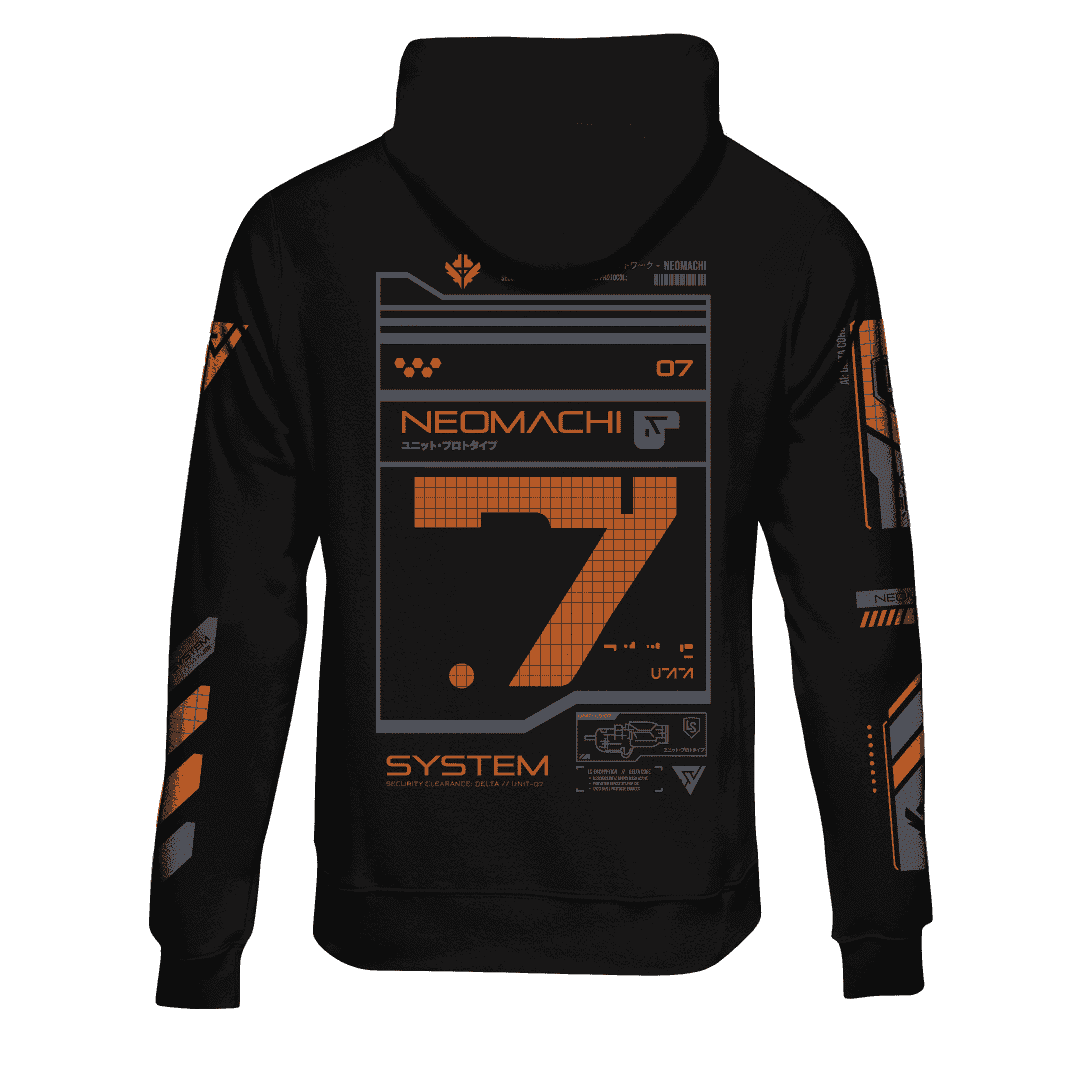
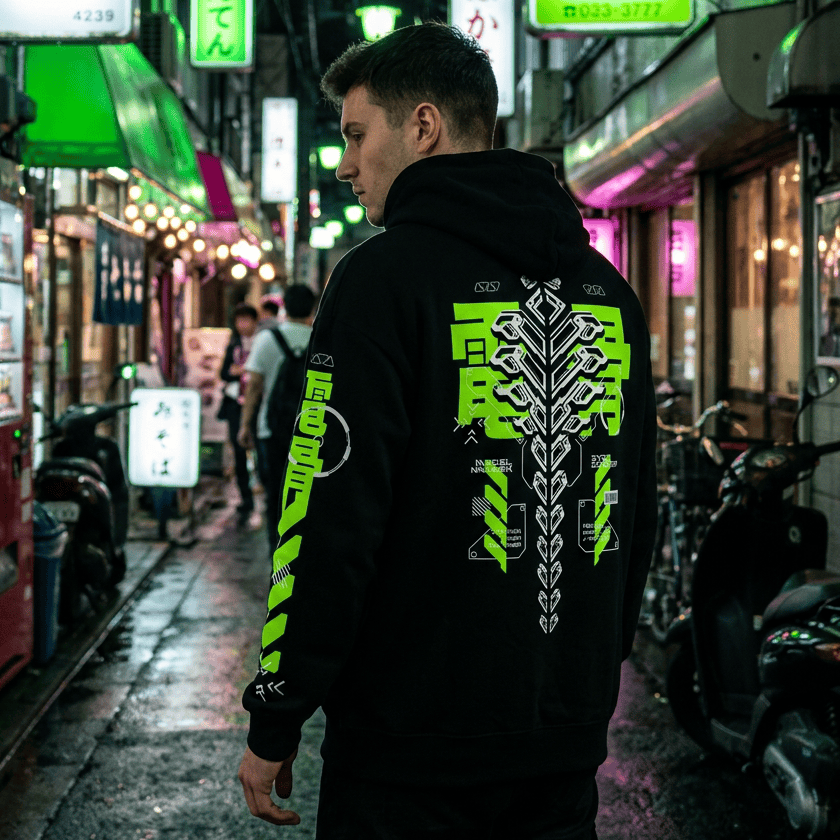
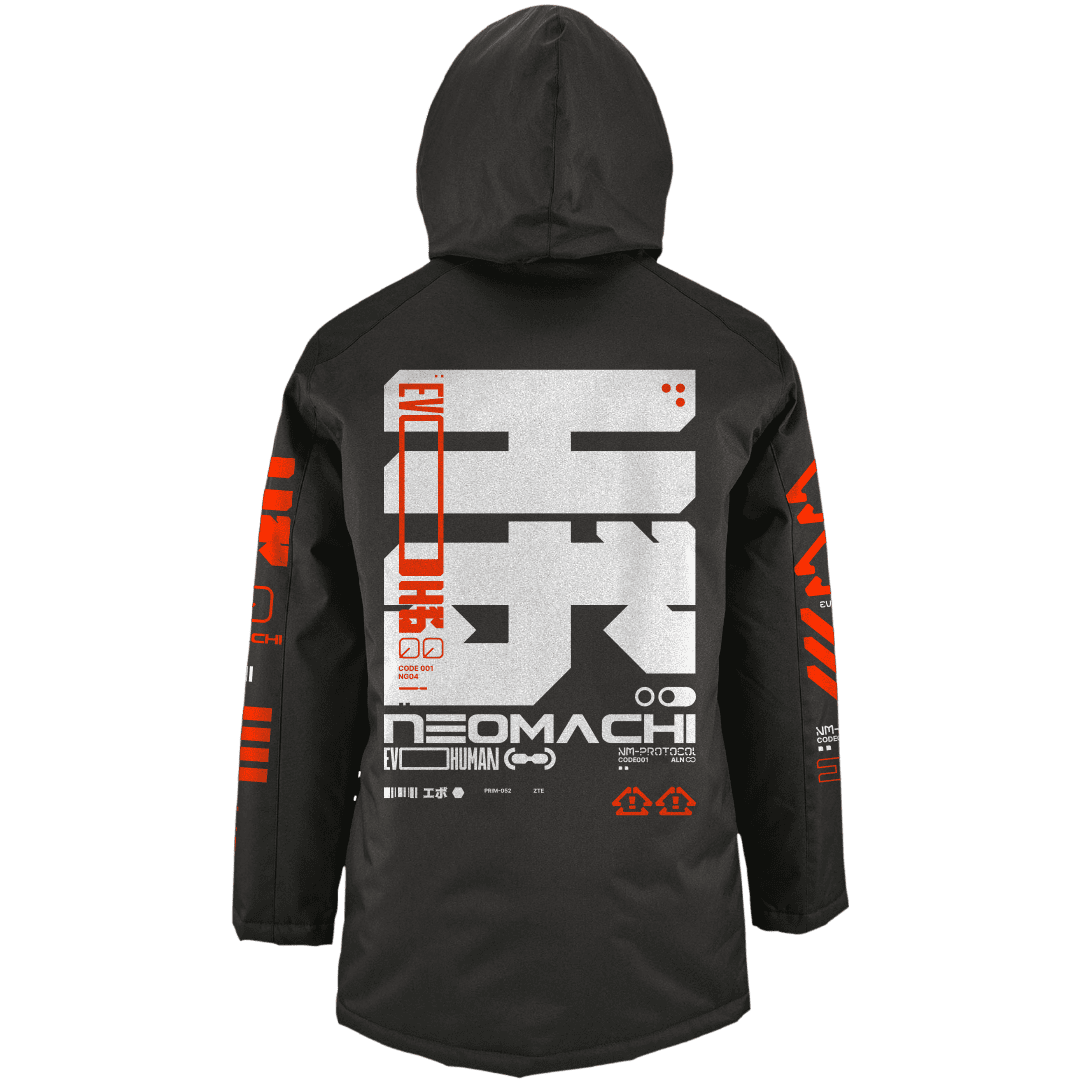
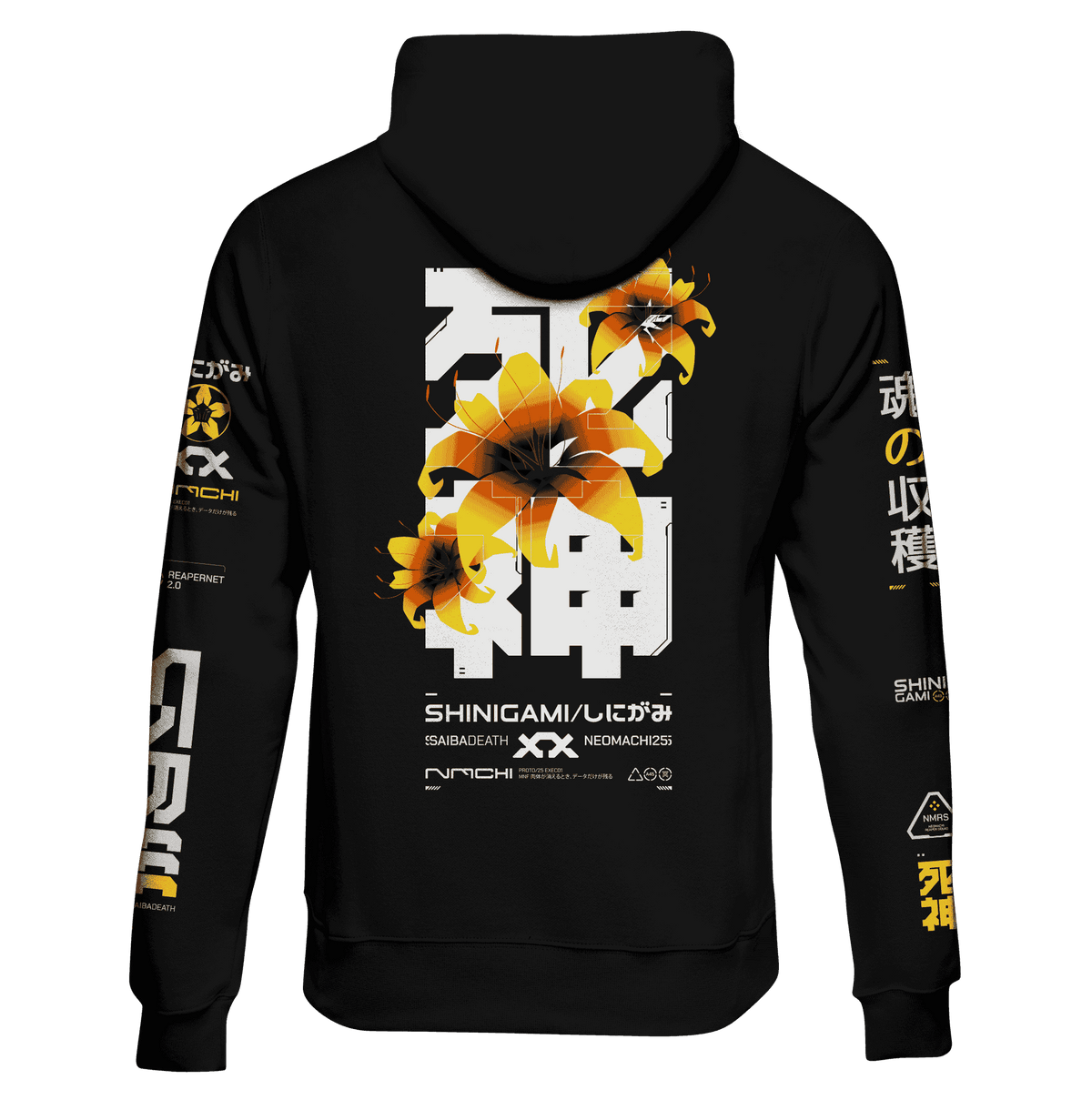
Wearing the phoenix: FUSHICHO, HINOTORI and ŌTORI
A phoenix is a big, loud motif, so let it be the only graphic in the outfit. All three of our designs put the bird large on the back, which is roughly where a tattooed hō-ō would sit anyway.
- FUSHICHO is the phoenix mid-transformation, fire and myth with a cyberpunk finish. Available as a hoodie, zip hoodie, t-shirt and sweater.
- ŌTORI is FUSHICHO's calmer evolution, the same bird in a quieter, more serene setting. It is the one to pick if you want the hō-ō's peaceful side. Try the ŌTORI premium bomber, the hoodie or the woman's tee.
- HINOTORI is the fire bird at full burn, the loudest of the three.

Styling is simple: a black phoenix hoodie, black or charcoal joggers and clean trainers, with the back print doing the talking. In colder months, wear a phoenix bomber over a plain tee, or browse our cyberpunk jackets. Hoodies are B&C Inspire Hooded, true to size and slim, so size up for a baggier fit; tees are a medium unisex fit.
The phoenix has relatives with their own guides: the kirin, another holy beast that appears under a just ruler, and Fujin and Raijin, the wind and thunder gods. The rest of the mythical line-up, from foxes to death gods, is in our guide to Japanese symbols and their meanings. For how these motifs fit into a whole wardrobe, see the Japanese streetwear guide.
Frequently asked questions
What does the Japanese phoenix symbolise?
The hō-ō symbolises peace, virtue, good fortune and just rule, and it is closely linked to the Japanese imperial household. In modern Japan and in tattoos it also stands for rebirth and triumph.
What is the difference between hō-ō and fushichō?
Hō-ō (鳳凰) is the traditional East Asian phoenix, a sacred omen of peace. Fushichō (不死鳥), "the bird that does not die", is the Japanese word for the Western phoenix that burns and is reborn from its ashes.
What does hinotori mean?
Hinotori (火の鳥) means "fire bird". It is best known as the title of Osamu Tezuka's manga Phoenix, about a fire bird whose blood is said to grant immortality.
What is the Japanese word for phoenix?
Hō-ō (鳳凰) for the traditional mythical bird, and fushichō (不死鳥) for the Western, reborn-from-ashes phoenix. Hinotori and ōtori are also used in names and stories.
What does a phoenix and dragon together mean?
Balance. In East Asian tradition the dragon stood for the emperor and the phoenix for the empress, so together they represent harmony, yin and yang, and a good marriage.
Rise accordingly
Original cyberpunk clothing drawn from Japanese myth, designed in Amsterdam and printed in Europe.