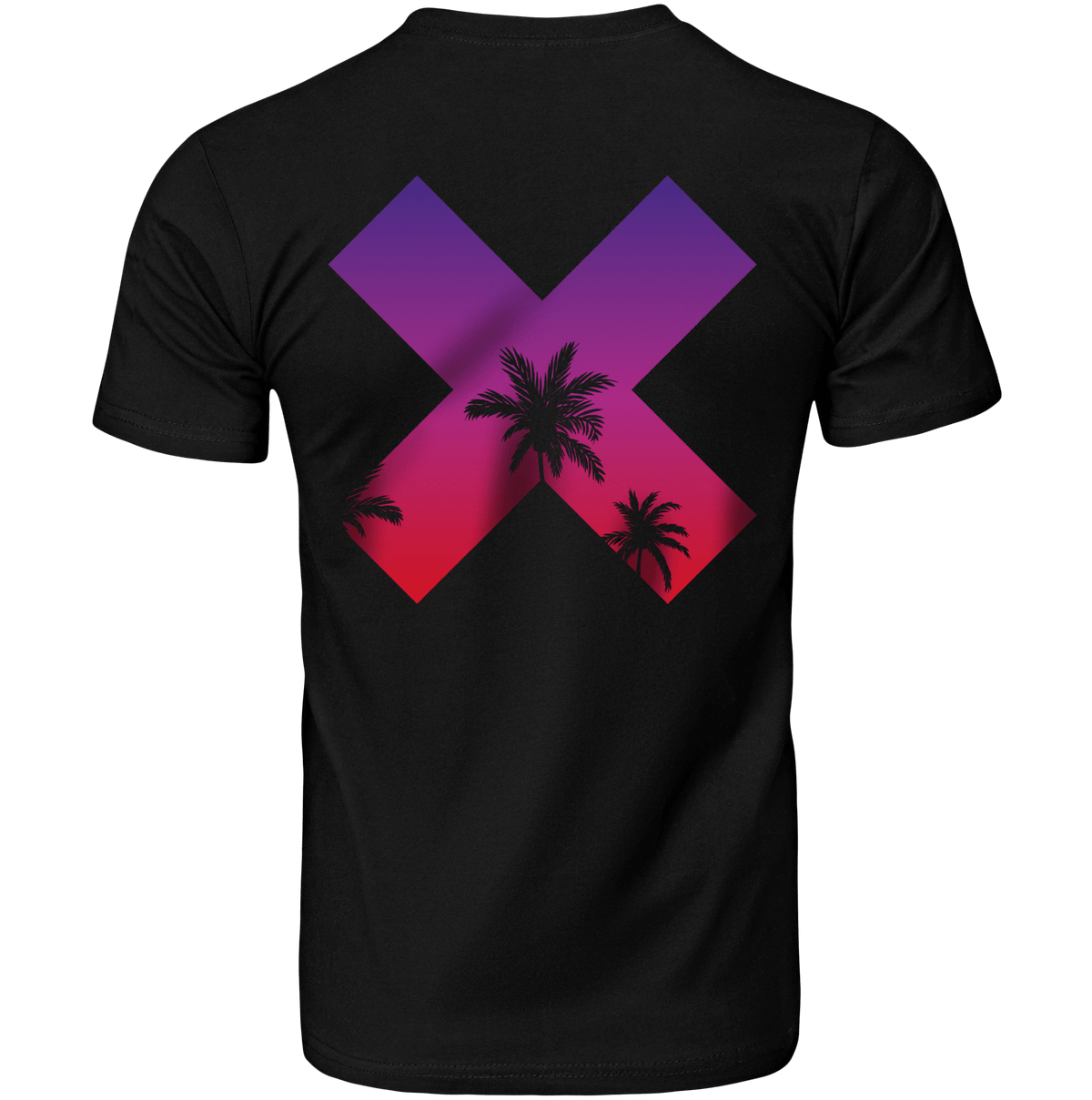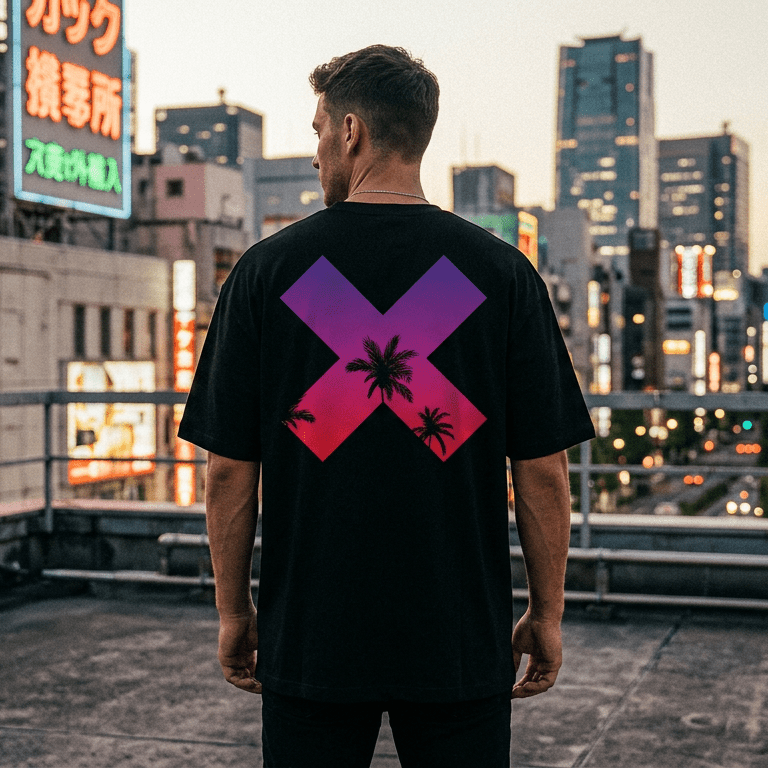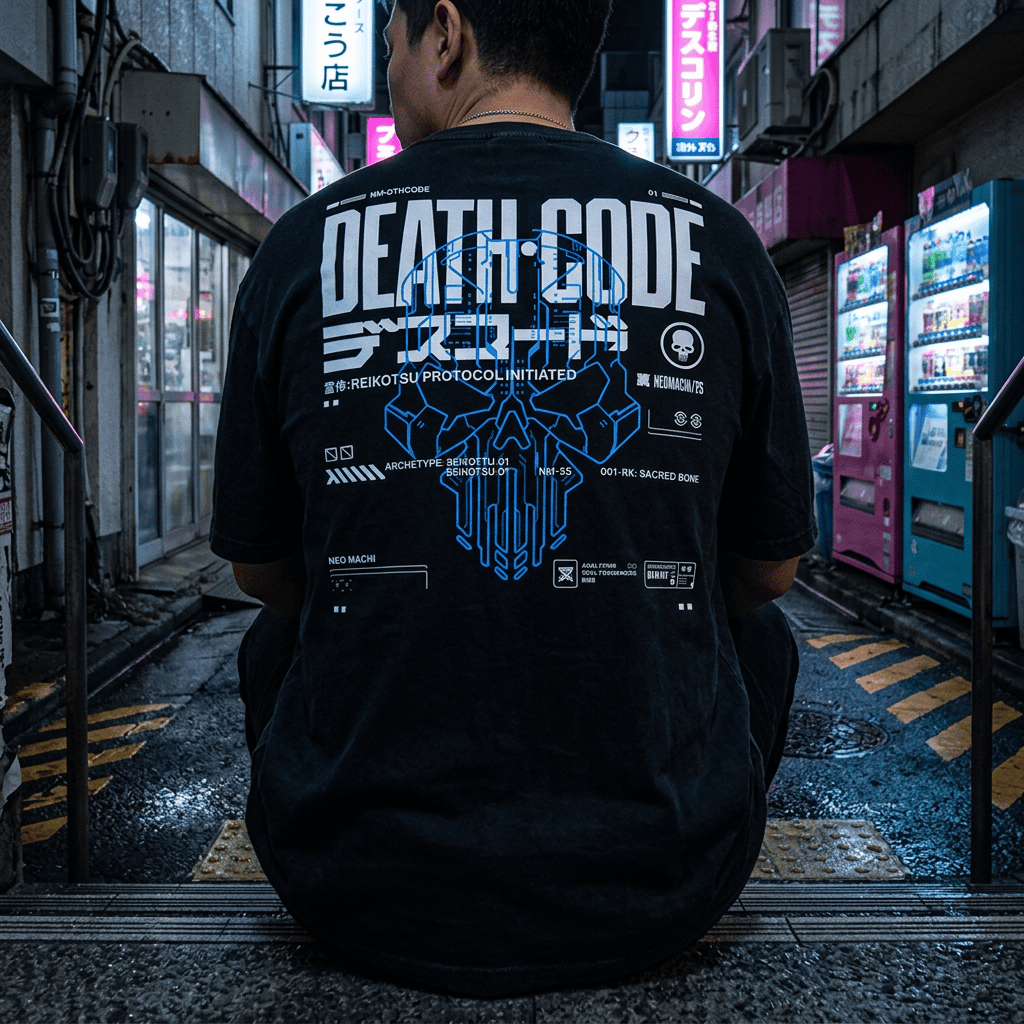
Search "cyberpunk clothing" and you get several hundred stores. Perhaps a dozen of them design anything. The rest sell the same forty stock graphics on the same anonymous blanks, shipped from the same warehouse, under forty different logos.
We are one of the brands in this category, so read our opinion with that in mind. But we have watched this space since 2020, and the brands that actually design their own clothes are not hard to name. Here they are, compared on the things that matter when you are about to spend €80 on a hoodie: where the clothes come from, what they cost, what they are made of, and how long a parcel takes to reach Europe. Facts checked on each brand's own site in September 2026.
The brands at a glance
| Brand | Based in | Price range | Materials stated | Ships to Europe | Best for |
|---|---|---|---|---|---|
| NEOMACHI | Amsterdam, NL | €34 to €38 tees, €65 to €85 hoodies, €94 to €200 jackets | Organic cotton (GOTS-certified blanks), 180 gsm tees, 280 gsm hoodies | Yes, printed in the EU | Japanese-inspired cyberpunk streetwear with original artwork |
| Fabric of the Universe | Los Angeles, US | $32.50 tees, $98.50 to $144.50 cargo pants, $149.50 bombers | Not stated on the storefront | From the US; international shipping and customs apply | Techwear-leaning silhouettes, cargo pants, outerwear |
| Neo4ic | San Diego, US | $45 to $120 per item, $55 tees | Peruvian pima cotton, own printed fabrics | Ships from the US; customs apply | Licensed and pop-culture graphics, UV-reactive and holographic prints |
| ZOLNAR | Riga, Latvia | €19.80 accessories to €198 vests, €168 jackets | Viscose jersey, softshell, faux leather | Yes, made in the EU | Structured, cut-and-sewn techwear and cosplay-ready pieces |
| Cryoflesh | Seattle, US | $58 to $120 | Varies per brand stocked | Worldwide from the US; customs apply | Cybergoth and dark-future fashion, multi-brand retailer since 2003 |
Competitor prices as listed on each site in September 2026, ours as of October 2026; they change. Shellzine, which often appears in the same searches, is a magazine about futuristic and technical fashion, not a brand, and worth reading for exactly that reason.
How we judged them
Four criteria, in order of importance. First, original designs: does the artwork exist anywhere else? Second, published materials: does the brand tell you what the garment is made of, and how heavy it is? Third, delivery to Europe: where does the parcel actually leave, and will customs add VAT and duties at the door? Fourth, what customers say, on the brand's own reviews and off it.
We did not rank on price. A €15 tee and a €55 tee are not competing for the same wardrobe, and the cheapest cyberpunk clothing is almost never made by any of the brands below.
The brands
NEOMACHI (Amsterdam)
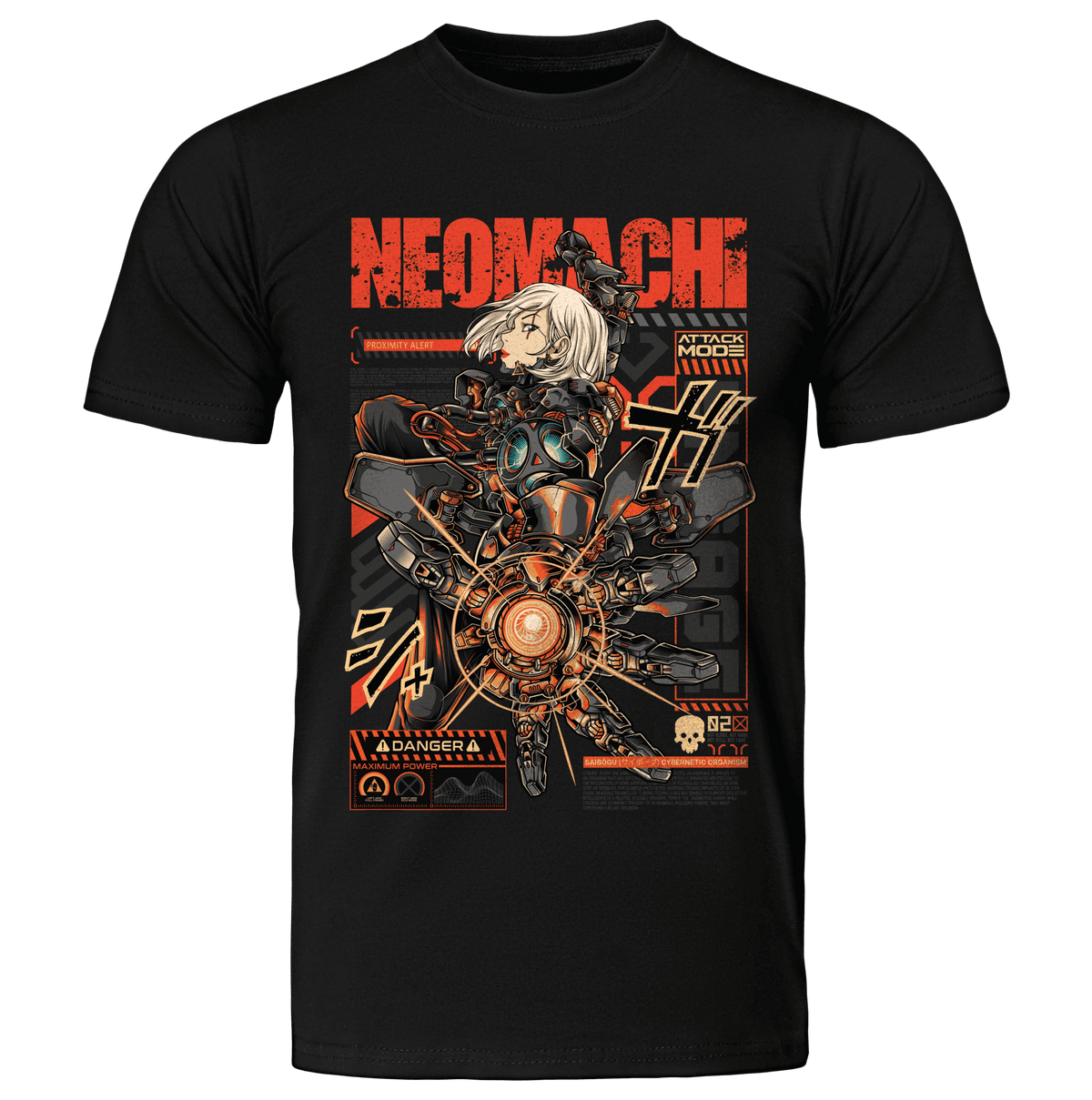
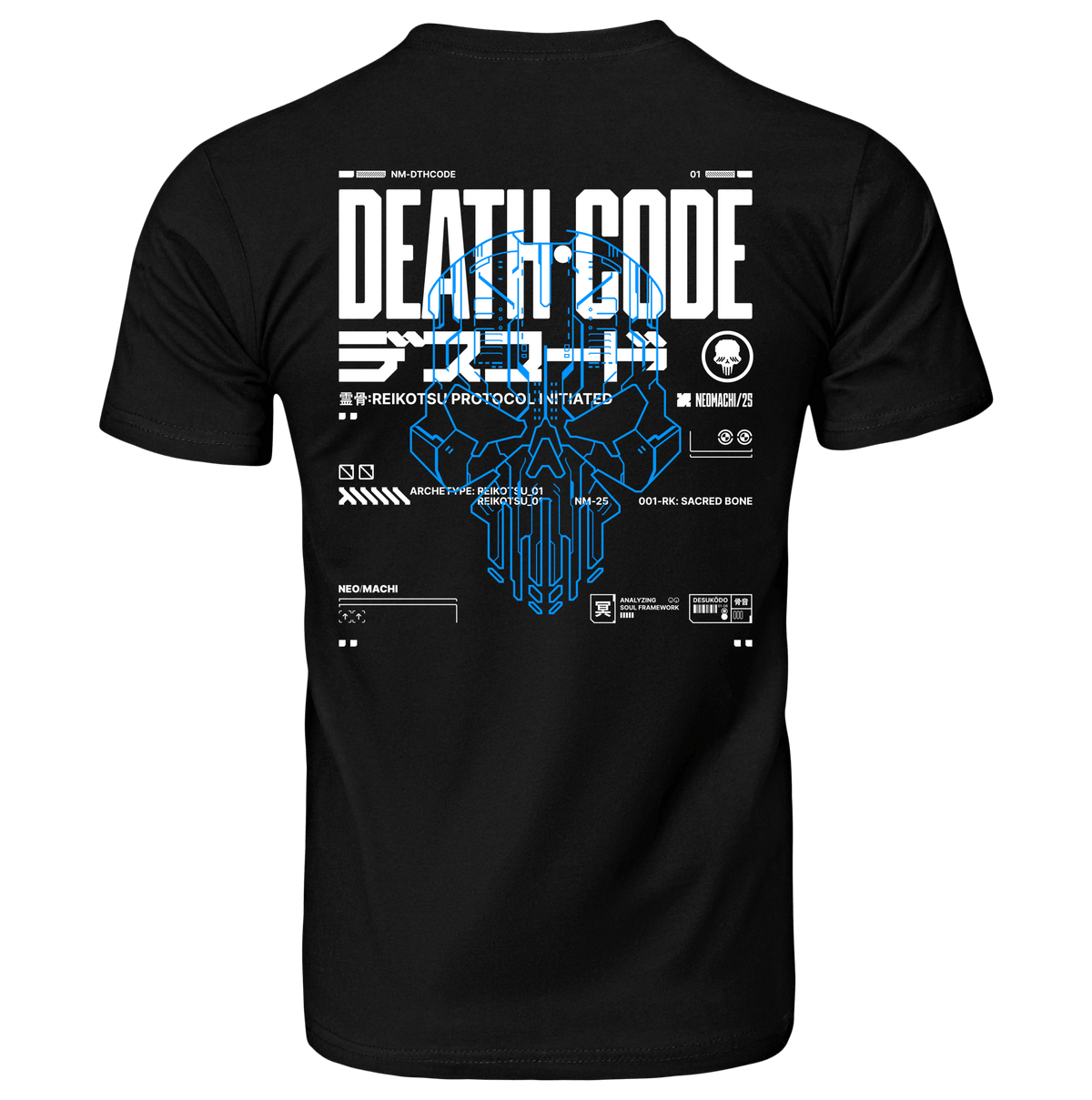
Us. Founded in Amsterdam in 2020 by Rosalie, a former IT consultant who fell for Tokyo's neon in 2014 and could not find clothes made for techies, gamers and Japan obsessives that were not either luxury techwear or an anime mascot on a chest. Every design is drawn by our own artists, which is why "designed by real artists, not algorithms" is printed across the site.
The facts, so you can check them: tees are Stanley/Stella Creator blanks, 100% organic ring-spun combed cotton at 180 gsm. Hoodies are B&C Inspire blanks (Stanley/Stella Drummer in 4XL and 5XL), 80% organic ring-spun combed cotton with 20% recycled polyester in the fleece lining, 280 gsm, slim fit, GOTS-accredited and Fair Wear certified. Everything is printed in the EU. Measurements are published per garment from XS to 5XL. Over 30,000 customers so far. Prices sit in the middle of this list: tees from €34, hoodies from €65, jackets from €94.
Where we are weakest: the catalogue is graphics-led. If you want cut-and-sewn technical outerwear with straps and modular pockets, ZOLNAR and Fabric of the Universe go further than we do. Start with our bestsellers or the full collection, and judge the artwork for yourself.
Fabric of the Universe (Los Angeles)
One of the first brands you will find when you search for a cyberpunk jacket or cyberpunk pants, and deservedly. Fabric of the Universe describes itself as "future culture from Los Angeles" and leans techwear: cargo pants with articulated pockets, bombers, windbreakers, trench coats, plus tees, hats and bags. The silhouettes are the strongest in this list. The storefront does not state fabric composition, which is the one thing we would ask them to change. Prices are US mid-range, from $32.50 for a tee to $149.50 for a bomber, with free domestic shipping above $100; European buyers pay international shipping and customs on top.
Neo4ic (San Diego)
Neo4ic sells hand-printed graphic wear "for the games, anime, and pop culture that raised you", and does the printing in its own screen-printing warehouse in San Diego. The artwork is original and the brand states it is never AI-generated, but a large part of the catalogue is built around licensed or pop-culture references, which is a different proposition from a house style. Materials are well documented: Peruvian pima cotton and several proprietary fabrics. Prices are the highest for graphic tees here, around $55, with cargo pants at $120. Shipping is from the US.
ZOLNAR (Riga)
The most interesting brand on the list if you want construction rather than graphics. ZOLNAR is one designer, Eva, producing everything in her own studio in Riga: jackets, vests, harnesses, skirts, pullovers, arm warmers and gloves in viscose jersey, softshell and faux leather. "Ready to wear cyberpunk, techwear, futuristic clothing for every day and cosplay" is the brand's own description and it is accurate. Prices run from €19.80 for accessories to €198 for a vest. Made in the EU, so European delivery is simple.
Cryoflesh (Seattle)
Not a brand so much as the oldest specialist shop in the category: Cryoflesh has sold "dark future fashion, from cyberpunk neons to jet black cybergoth gear" since 2003, mixing its own designs with brands like Tripp and Punk Rave. If your cyberpunk leans goth, industrial or club, this is the catalogue. Prices sit between $58 and $120, with free worldwide shipping above $100; European orders still clear customs.
The luxury techwear tier
Above everyone here sits a tier of technical labels, ACRONYM being the best known, making laminated shells and engineered trousers at several hundred to well over a thousand euros. It is excellent clothing and mostly not cyberpunk: no graphics, no narrative, function only. A lot of people buy into that tier and then realise they wanted the graphics all along. Read techwear vs cyberpunk before you spend there.
How to spot a dropshipping "cyberpunk" store
Most of what is not on the list above falls into one of two categories: print-on-demand storefronts reselling stock art, and the newer AI-graphic stores generating hundreds of neon designs in an afternoon. Five tests separate them from a real brand, and they take two minutes.
- Reverse-image-search the artwork. If a "brand exclusive" design appears on thirty sites in four languages, it is stock art or a generated image. Real brands fail this test never, because their artwork exists nowhere else.
- Look for sleeve prints and back prints. Both cost more to produce and require a design drawn for the garment. Dropshippers almost never do it; if the whole catalogue is chest-centre placements, you are looking at a catalogue, not a collection.
- Check whether they tell you what it is made of. Fibre content, fabric weight, per-garment sizing. "High quality material" and one size chart for everything means a supplier PDF.
- Find out where it ships from. Not where the company is registered; where the parcel leaves. A stated delivery window of "10 to 25 business days" means it is coming a very long way and returns will be theoretical.
- Zoom into the graphics. Generated artwork falls apart in the details: text that resembles Japanese without being Japanese, mechanical parts that connect to nothing. A human artist has recognisable habits across a catalogue; a generator does not.
Run the five tests on us as well. Then look up what our customers say: we are rated 4.5 out of 5 on Trustpilot. And if you are still not sure whether a store is real, the about page should have a person on it.
How to buy your first piece from any of them
Start with one t-shirt. It is the cheapest way to test a brand's print quality, fabric and sizing at once. Wash it five times: cracking, colour loss and shrinkage all show up by wash five, and that is the real review. If the tee survived, buy the hoodie. Same supply chain, same print process, far less risk.
Frequently asked questions
What is the best cyberpunk clothing brand?
It depends on what you mean by cyberpunk. For Japanese-inspired graphic streetwear made in Europe, NEOMACHI. For techwear silhouettes and cargo pants from the US, Fabric of the Universe. For cut-and-sewn pieces made in the EU, ZOLNAR. For pop-culture graphics, Neo4ic. For cybergoth, Cryoflesh.
Are cyberpunk clothing stores legit?
The brands on this list are real companies with named founders, stated locations and their own designs. Many other stores in the search results are dropshipping storefronts. Use the five tests above: reverse-image-search the artwork, check for stated materials and a real shipping origin.
Which cyberpunk brands ship to Europe without customs?
NEOMACHI (printed in the EU) and ZOLNAR (made in Latvia) ship within the EU, so no import duties for EU customers. NEOMACHI shipping within the EU and the UK is free from €75. Fabric of the Universe, Neo4ic and Cryoflesh ship from the United States, which means international shipping and customs fees on arrival.
Is NEOMACHI a cyberpunk brand?
Yes. We make Japanese-inspired cyberpunk streetwear: tees, hoodies, joggers and jackets with original artwork drawn by our own artists, printed in the EU on organic cotton. Our complete guide to cyberpunk clothing explains what that means in practice.
Judge for yourself
Reverse-image-search anything in our catalogue. Zoom into the artwork. Read the fabric specs. We would rather you bought from a competitor who passes than from a storefront that does not.