The history of cyberpunk fashion is mostly a history of borrowed clothes. Almost nothing in the look was invented for the future: the coat came from 1940s film noir, the bomber from jet pilots, the embroidered jacket from Japanese biker gangs, the hoodie from cold warehouses in New York. Cyberpunk took working clothes and gave them a new story. William Gibson put the idea in one line in his 1982 story "Burning Chrome": the street finds its own uses for things. Clothes are no exception.
We have already told this story film by film in the rise of cyberpunk fashion. This time we are following the garments instead: seven pieces, where each one really came from, and how it ended up in your wardrobe.
The timeline at a glance
| Garment | Original life | Cyberpunk moment |
|---|---|---|
| The noir coat | 1940s detective films | Blade Runner (1982) |
| Mirrorshades | Bikers, rockers, police | Mirrorshades anthology (1986) |
| The tokkō-fuku | 1970s Tokyo biker gangs | Akira (1988) |
| The long black coat | Robes and priestly dress | The Matrix (1999) |
| The technical shell | Outdoor and snow gear | Techwear, from around 2000 |
| The bomber | 1950s US Air Force, postwar Yokosuka | Cyberpunk 2077 (2020) |
| The hoodie | 1930s New York warehouses | Mr. Robot (2015) and the graphic hoodie |
1. The noir coat: the detective moves to 2019
When costume designers Michael Kaplan and Charles Knode started on Blade Runner, they treated it as film noir and went looking in 1940s movies. Kaplan has compared Deckard to Humphrey Bogart's Sam Spade, "as much a gumshoe" as any detective of that era. Rachael's sharp suits drew on the Hollywood designer Adrian from the late 1930s and 1940s, with the angles pushed further to look futuristic.
That is the first rule of cyberpunk clothing, and it has never changed: a familiar shape, pushed slightly wrong. A long coat still does the job, whether that is a vintage find or a modern version such as the EIKOU parka.
2. Mirrorshades: the first uniform of the genre
Before cyberpunk fashion had a wardrobe, it had a pair of sunglasses. In the introduction to his 1986 anthology Mirrorshades, Bruce Sterling called mirrored glasses "a Movement totem" and a kind of literary badge turning up story after story. Gibson's Molly in Neuromancer (1984) took the idea to its limit, with mirrored lenses built into her face.
Their appeal is simple. You can see out and nobody can see in, which is about as cyberpunk as an accessory gets. The modern narrow, wraparound and visor shapes all trace back here.
3. The tokkō-fuku: Japan's embroidered rebellion
This is the one most Western fans miss. Akira's biker gangs were modelled on real bōsōzoku, the Japanese motorcycle gangs whose membership peaked in 1982 at more than 42,000 young people, according to the Japan Times. Their uniform was the tokkō-fuku, a military-style work jacket or coat covered in embroidered kanji: gang names, slogans, personal mottos and even poems.
Tokkō means "special attack", so people often assume a link to wartime kamikaze pilots. Experts quoted by the Japan Times say that is a myth: the style dates from 1970s Tokyo gangs.
The legacy is everywhere. A jacket or hoodie covered in Japanese text that says something about the person wearing it comes straight from this tradition. Read more in katakana, circuits and glitch and our guide to Akira outfits. The BLLTPRF hoodie, with the kanji for bulletproof across the back, is a quieter descendant, and it is one of many in our cyberpunk hoodies.

4. The long black coat: The Matrix makes it mainstream
Kym Barrett's costumes for The Matrix (1999) turned the long coat from a noir reference into something new. Neo's coat has been compared to an ancient Chinese robe and a priest's garment, which suits a film about a saviour. It also had to work in a fight, which is why it moves the way it does.
The result took cyberpunk out of the subculture and into the high street. Barrett has said she loves that people still connect with it decades later, and the look keeps coming back. If you want the modern version without the floor-length hem, the BLLTPRF parka keeps the black and the bulk, and adds actual warmth.
5. The technical shell: when the future got waterproof
Around the turn of the millennium, designers started taking the technology of outdoor and snow gear into the city. The name that comes up first is ACRONYM, the Berlin label founded by Errolson Hugh and Michaela Sachenbacher, with Hugh also working on Burton's Analog line, the Stone Island Shadow Project and Nike's ACG revival, according to Sabukaru.
This gave cyberpunk something it had never had: clothes that really worked. Taped seams, hidden pockets and articulated knees looked like the future because they were engineering. It also created a new branch, which we untangle in techwear vs cyberpunk. For a more affordable take, the EVO windbreaker and NM pants borrow the pockets and the attitude.

6. The bomber: two histories in one jacket
The modern cyberpunk bomber is really two jackets stitched together.
The shape is American. The MA-1 was developed for US Air Force crews in the 1950s to suit new jet aircraft. Later versions were reversible with a safety-orange lining, so a downed airman could be spotted. By the late 1970s, punks and skinheads had taken it over, the same street logic again.
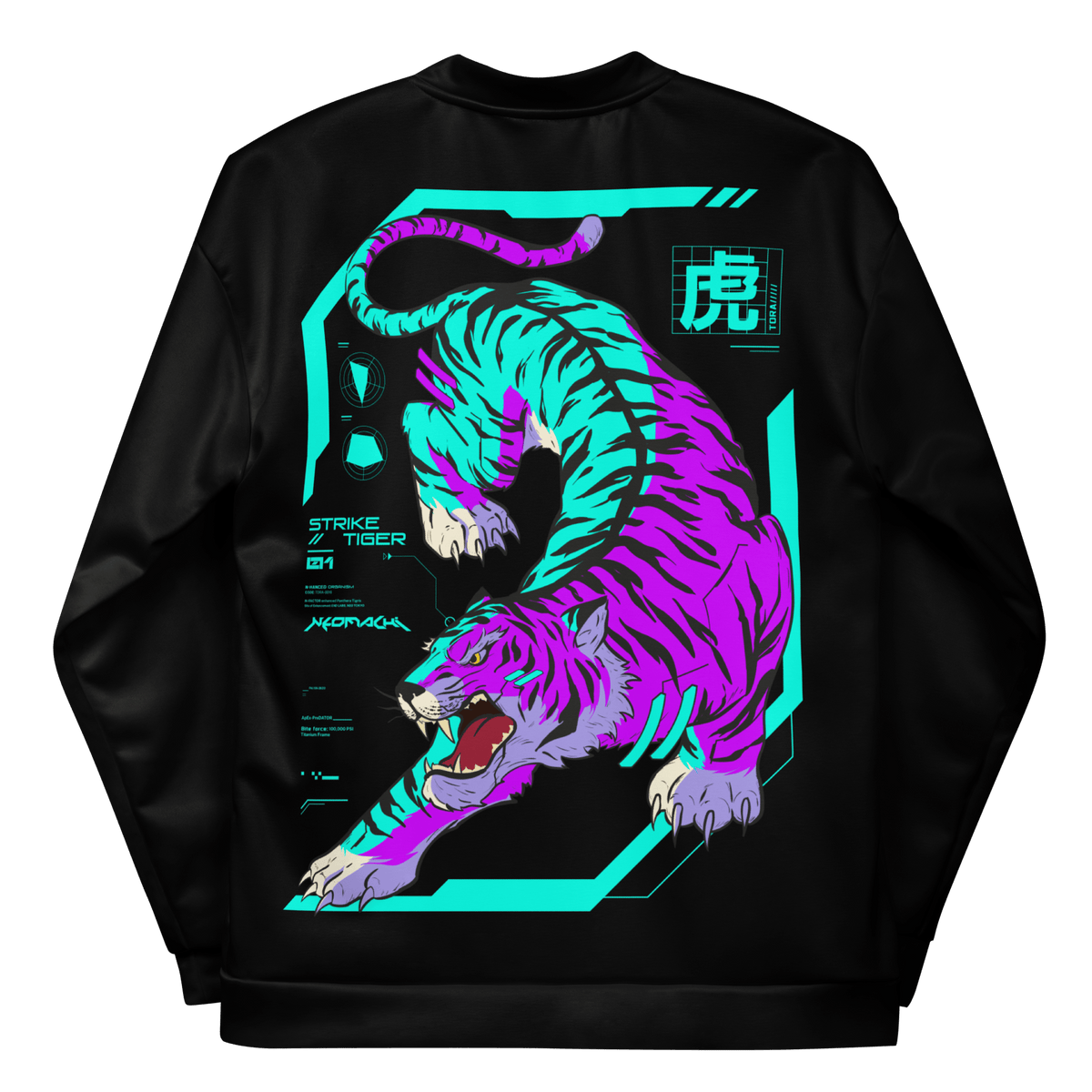
The art is Japanese. After the war, tailors around Dobuita Street in Yokosuka, next to the US naval base, began making embroidered souvenir jackets for American servicemen. According to Nippon.com, these "Yokosuka jumpers" became known as sukajan, using kimono embroidery techniques to stitch tigers, dragons and Mount Fuji onto the back.
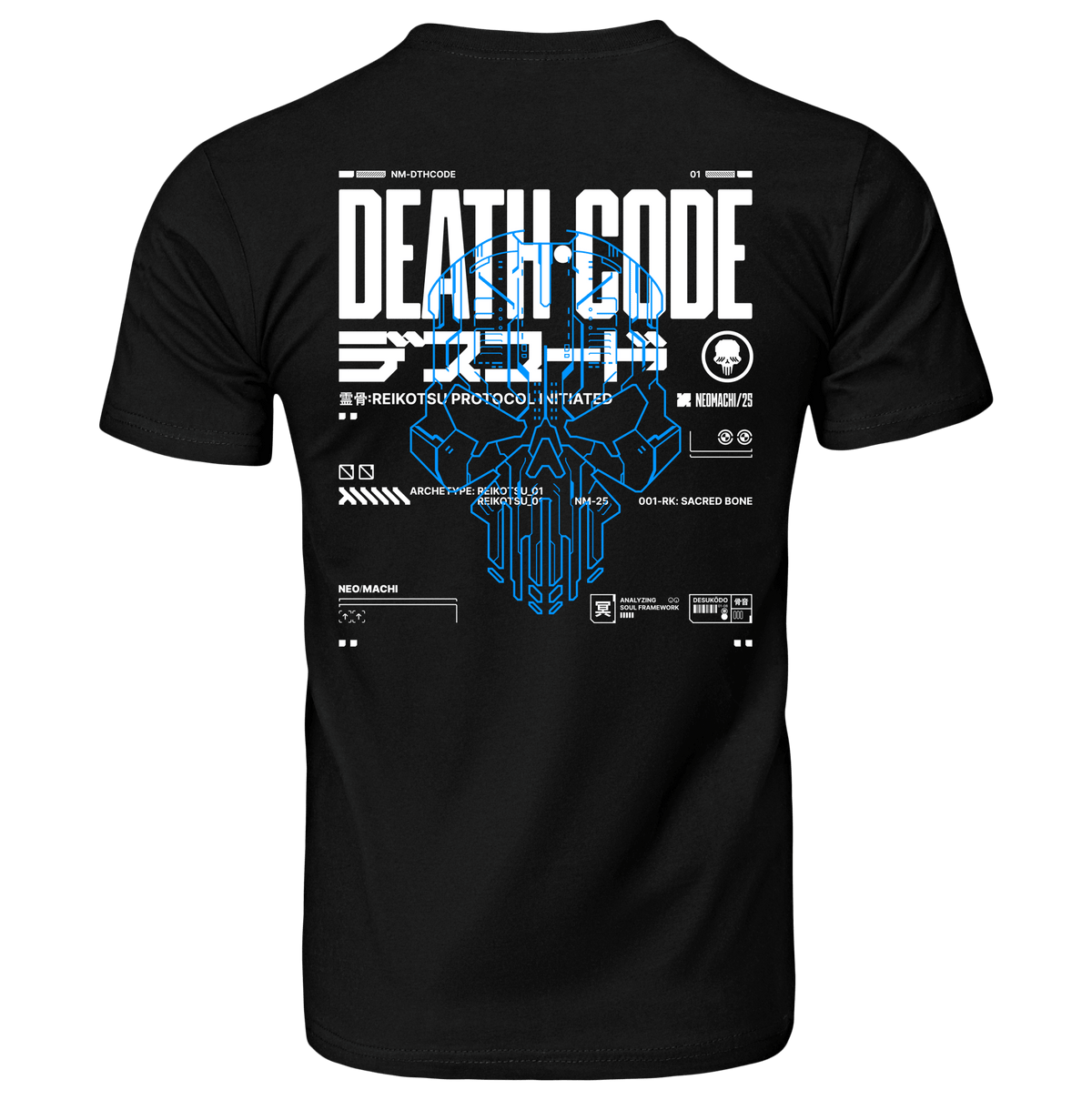
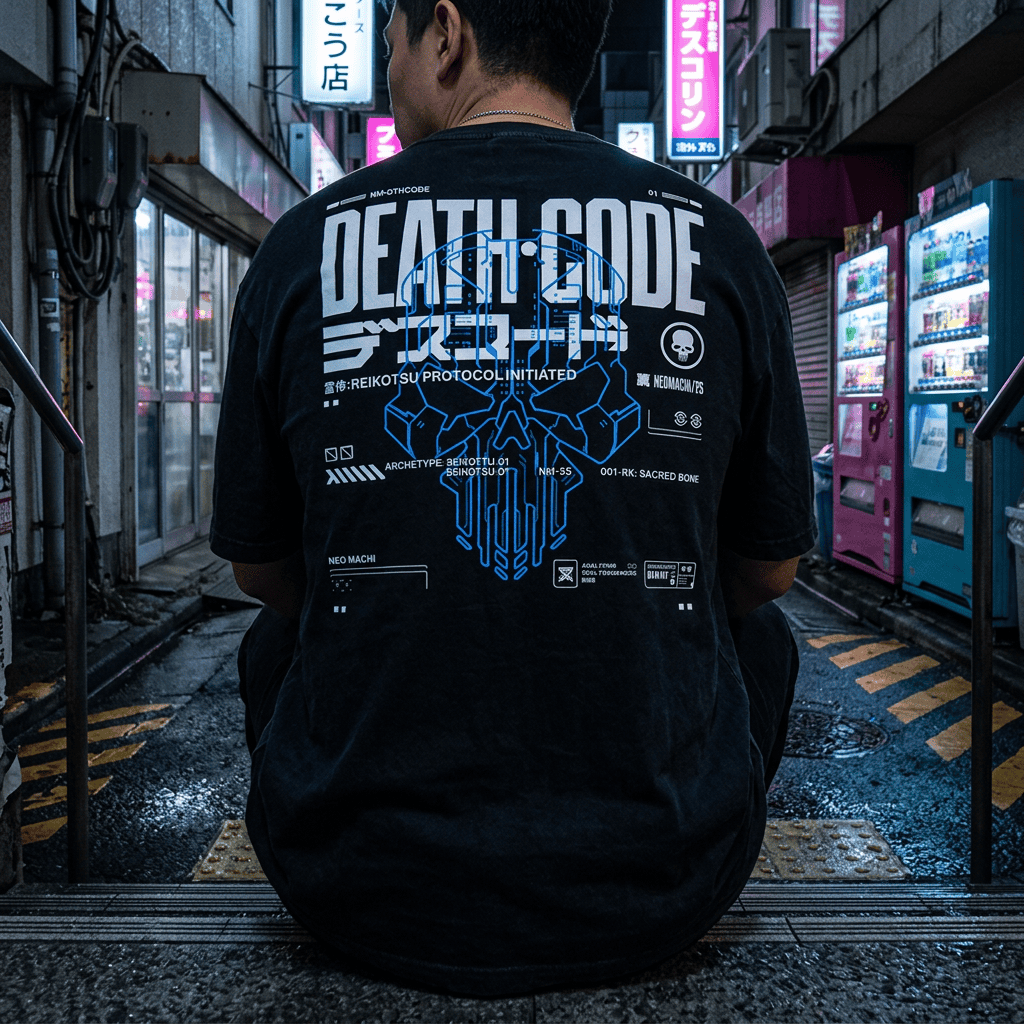
Put a big Japanese graphic on a bomber shape and you have the genre's defining jacket, right up to the Samurai bomber fans still hunt for after Cyberpunk 2077. Our TORA jacket is a direct nod to that tiger tradition, and the DESUKODO premium bomber swaps the embroidered dragon for a digital skull. See all our cyberpunk bombers, and the cyberpunk jackets guide for how to choose.

7. The hoodie: from warehouse to hacker
The hooded sweatshirt started as work gear. Champion produced it in Rochester, New York, in the 1930s for labourers in freezing warehouses. Hip hop adopted it in the 1970s and 1980s, and early in this century it became the visual shorthand for a hacker, an image Mr. Robot locked in from 2015 with Elliot's black hoodie.
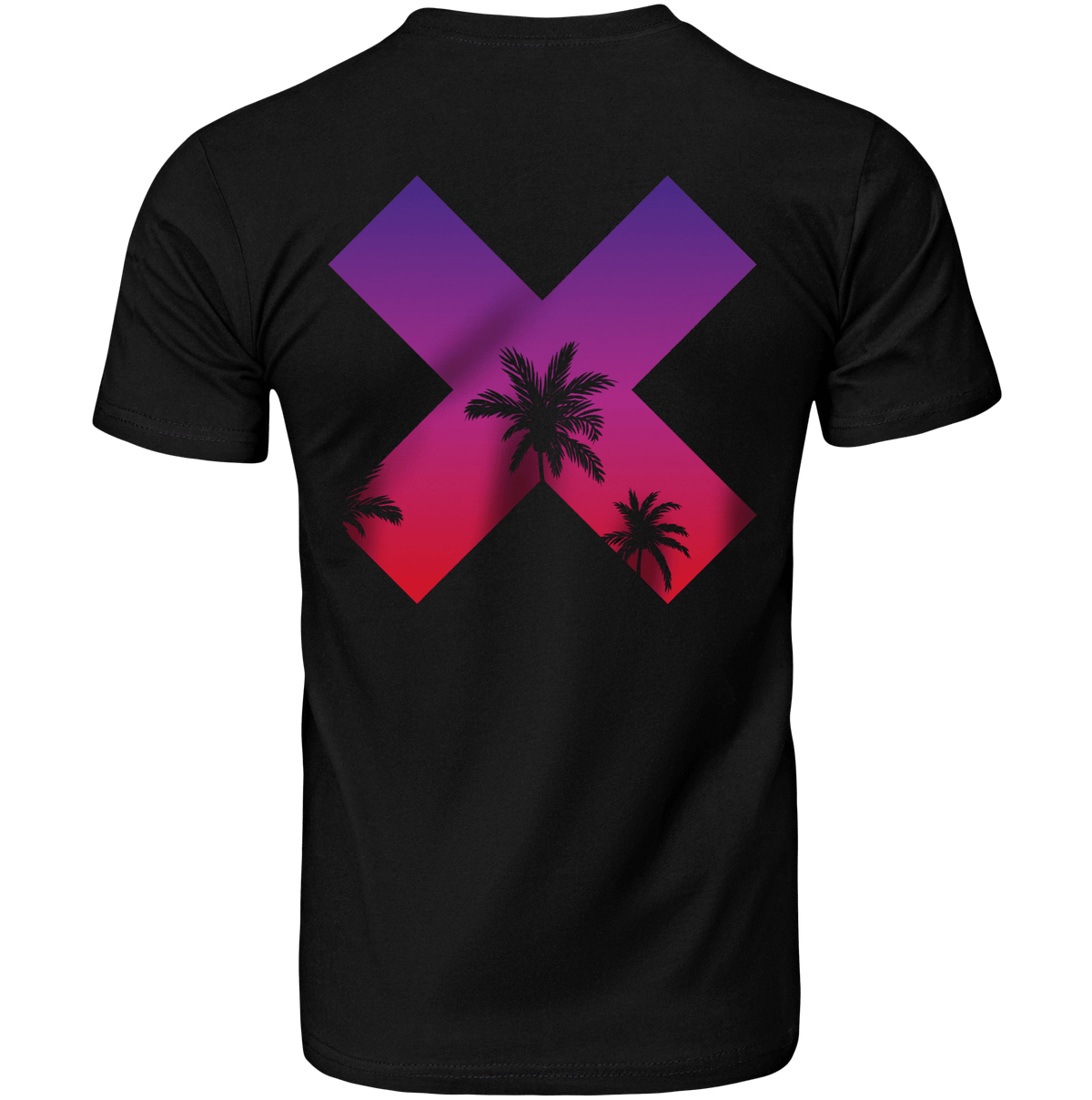
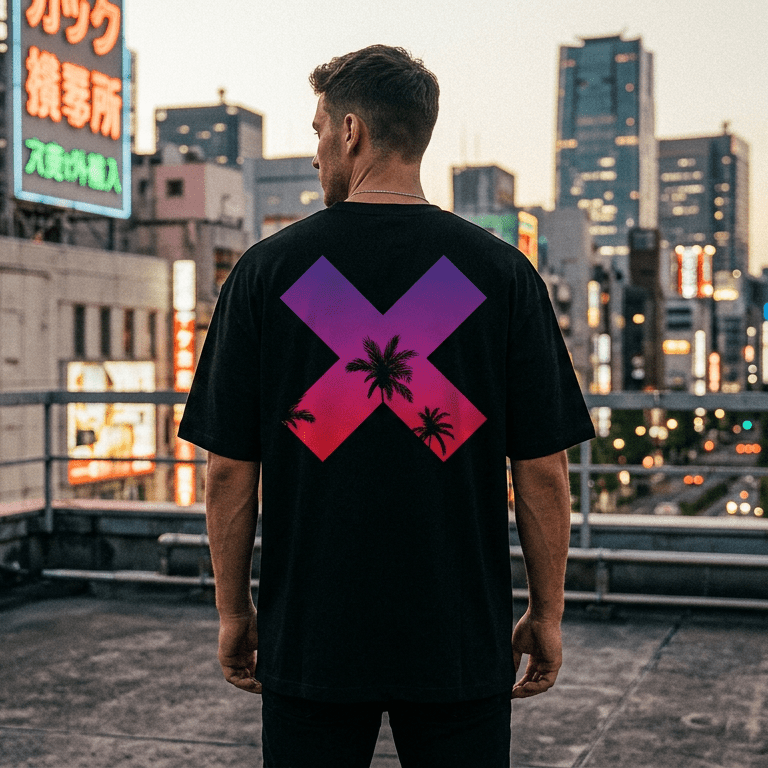
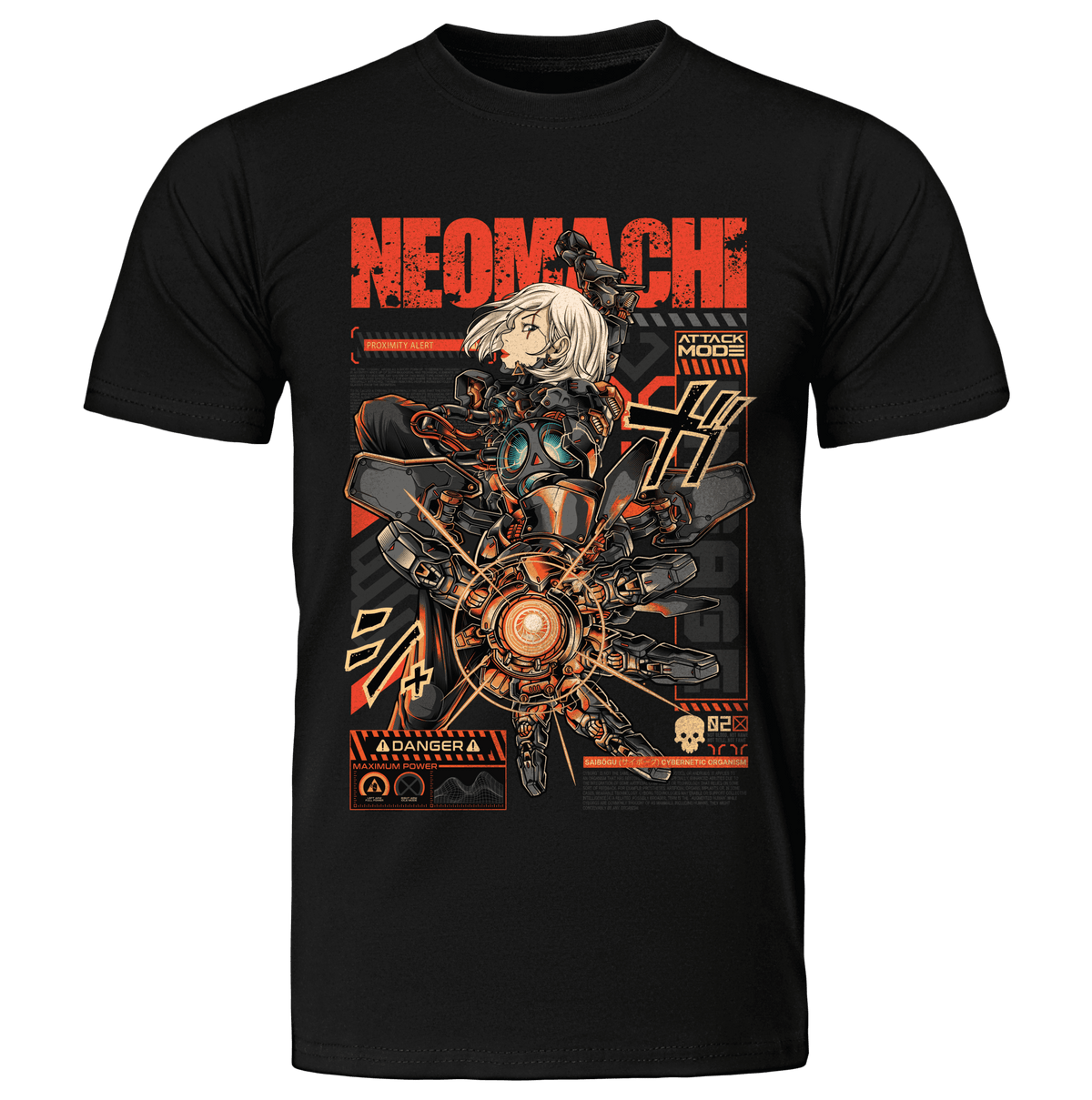
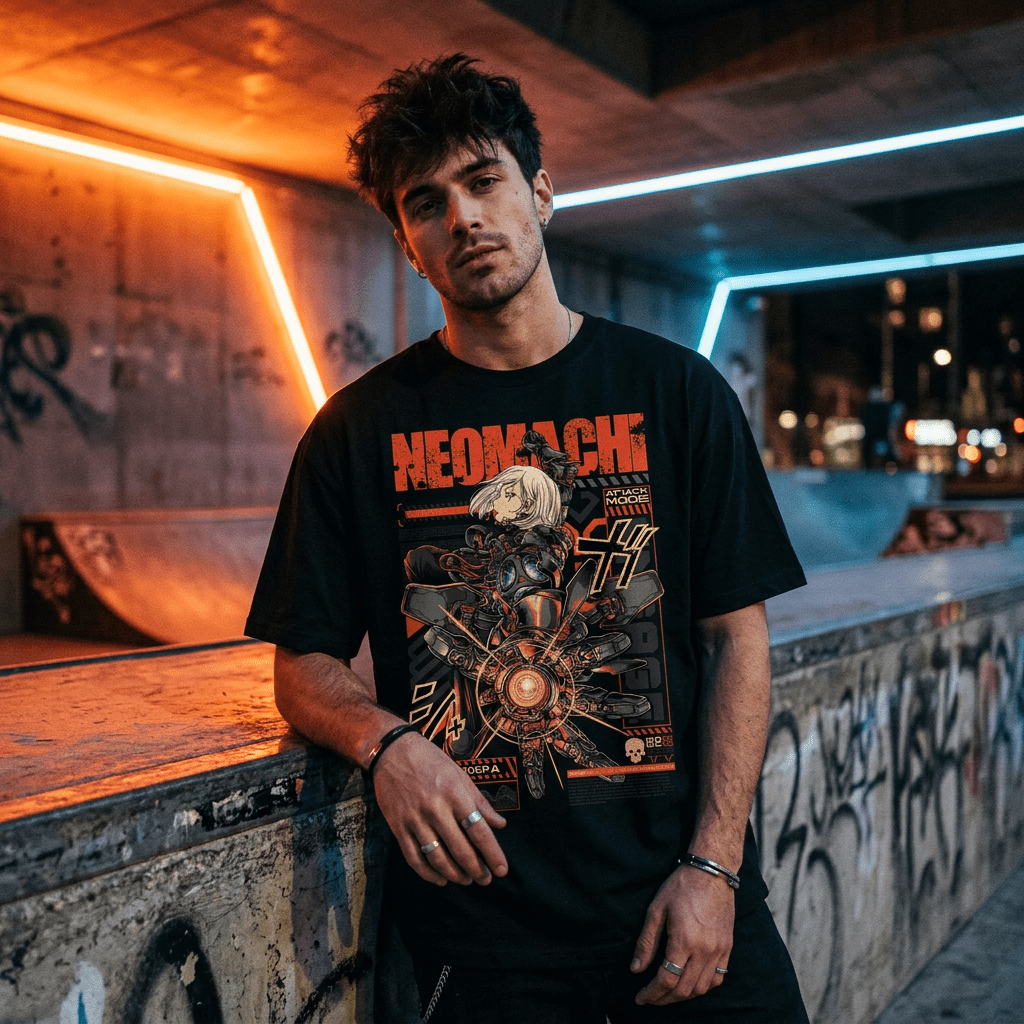
It is the piece that finally made cyberpunk cheap, comfortable and wearable every day. Add a graphic and you get everything the earlier garments did in one layer: the anonymity of mirrorshades, the kanji of the tokkō-fuku and the back print of the sukajan. That is why the SYSTEM 7 zip hoodie and KISEKI hoodie carry so much on the back. Our cyberpunk t-shirts do the same in a lighter layer.
What seven garments tell you about wearing it now
- Start with a real garment. Every piece here began as something useful. If it has no job, it starts to look like a costume.
- Add a story, not just decoration. Biker jackets said who you were. A design you can explain beats one you cannot. See Japanese symbols and meanings.
- Push one thing. Kaplan and Knode pushed the angles. You only need to push one element: one graphic, one colour, one proportion. Our guide to dressing cyberpunk and complete guide to cyberpunk clothing go further.
Frequently asked questions
Where did cyberpunk fashion come from?
It was assembled from older clothes: 1940s film noir tailoring, bikers' sunglasses, Japanese bōsōzoku uniforms, military flight jackets and workwear. Films, novels and anime gave those garments a new meaning from the 1980s on.
What did people wear in early cyberpunk?
In Blade Runner (1982), noir-inspired coats and sharp suits with exaggerated angles. In the early novels, the recurring symbol was mirrored sunglasses, which gave Bruce Sterling's 1986 anthology Mirrorshades its title.
What is a tokkō-fuku?
The embroidered military-style uniform worn by Japanese bōsōzoku biker gangs, covered in kanji gang names, slogans and mottos. It dates from the 1970s, and the gangs in Akira wear it.
Why are bomber jackets so common in cyberpunk?
The MA-1 shape is simple and structured, and Japan's sukajan tradition had already shown it could carry a big back design. That combination suits cyberpunk graphics perfectly.
Is techwear part of cyberpunk fashion?
They overlap, but techwear is defined by function and cyberpunk by story and aesthetic. Techwear gave cyberpunk its modern silhouette.
Sources and further reading
- AnOther: Michael Kaplan on Blade Runner's iconic costumes
- Bruce Sterling, preface to Mirrorshades
- BFI: 30 years of Akira
- Highsnobiety: Kym Barrett interview
Wear the next chapter
Every garment here started somewhere else and picked up a story along the way. Ours are original cyberpunk clothing, drawn by real artists and printed in Europe.