The Japanese word for dragon is ryū (竜 or 龍), for wolf ōkami (狼), for tiger tora (虎) and for fox kitsune (狐). That is the quick answer. The longer one is more fun, because in Japan most of these animals are not just vocabulary. They are gods' messengers, shrine guardians, tattoo motifs and lucky charms, and each one carries a meaning that a Japanese speaker hears the moment the word is said.
Below is a list of Japanese animal names with the kanji, how to say them and what each animal symbolises, from the everyday cat and dog to the dragon, the phoenix and the kirin. Where we have written a full guide to an animal, it is linked. Where one of our designs is built around it, that is linked too, because this list is basically the bestiary behind half of our cyberpunk clothing.

Japanese animal names at a glance
| Animal | Kanji | Reading | What it stands for |
|---|---|---|---|
| Dragon | 竜 / 龍 | ryū, tatsu | Water, rain, power, the sea god Ryūjin |
| Wolf | 狼 | ōkami | Protection, guidance; sounds like "great god" |
| Tiger | 虎 | tora | Courage, warding off evil |
| Fox | 狐 | kitsune | Messenger of Inari, cleverness, shapeshifting |
| Cat | 猫 | neko | Luck and prosperity (maneki-neko) |
| Dog | 犬 | inu | Loyalty, safe childbirth |
| Snake | 蛇 | hebi | Rebirth, wealth (white snakes) |
| Carp / koi | 鯉 | koi | Perseverance, success |
| Crane | 鶴 | tsuru | Long life, good fortune, peace |
| Turtle | 亀 | kame | Long life, wisdom |
| Phoenix | 鳳凰 | hōō | Virtue, peace, imperial blessing |
| Peacock | 孔雀 | kujaku | Protection from poison and evil |
| Kirin (qilin) | 麒麟 | kirin | Wise rule, a sign of peace |
| Lion / lion-dog | 獅子 / 狛犬 | shishi / komainu | Shrine guardians, driving away evil |
| Crow | 烏 | karasu | Divine guidance (Yatagarasu) |
| Rabbit | 兎 | usagi | The moon, good luck |
| Owl | 梟 | fukurō | "No hardship", a pun-based lucky charm |
| Monkey | 猿 | saru | The three wise monkeys |
A small language note before the details: Japanese often writes animal names in katakana when talking about the animal as a species (オオカミ, トラ, キツネ), in kanji in older or more formal writing, and in hiragana in children's books. Same word, different costume.
The Japanese word for dragon: ryū or tatsu
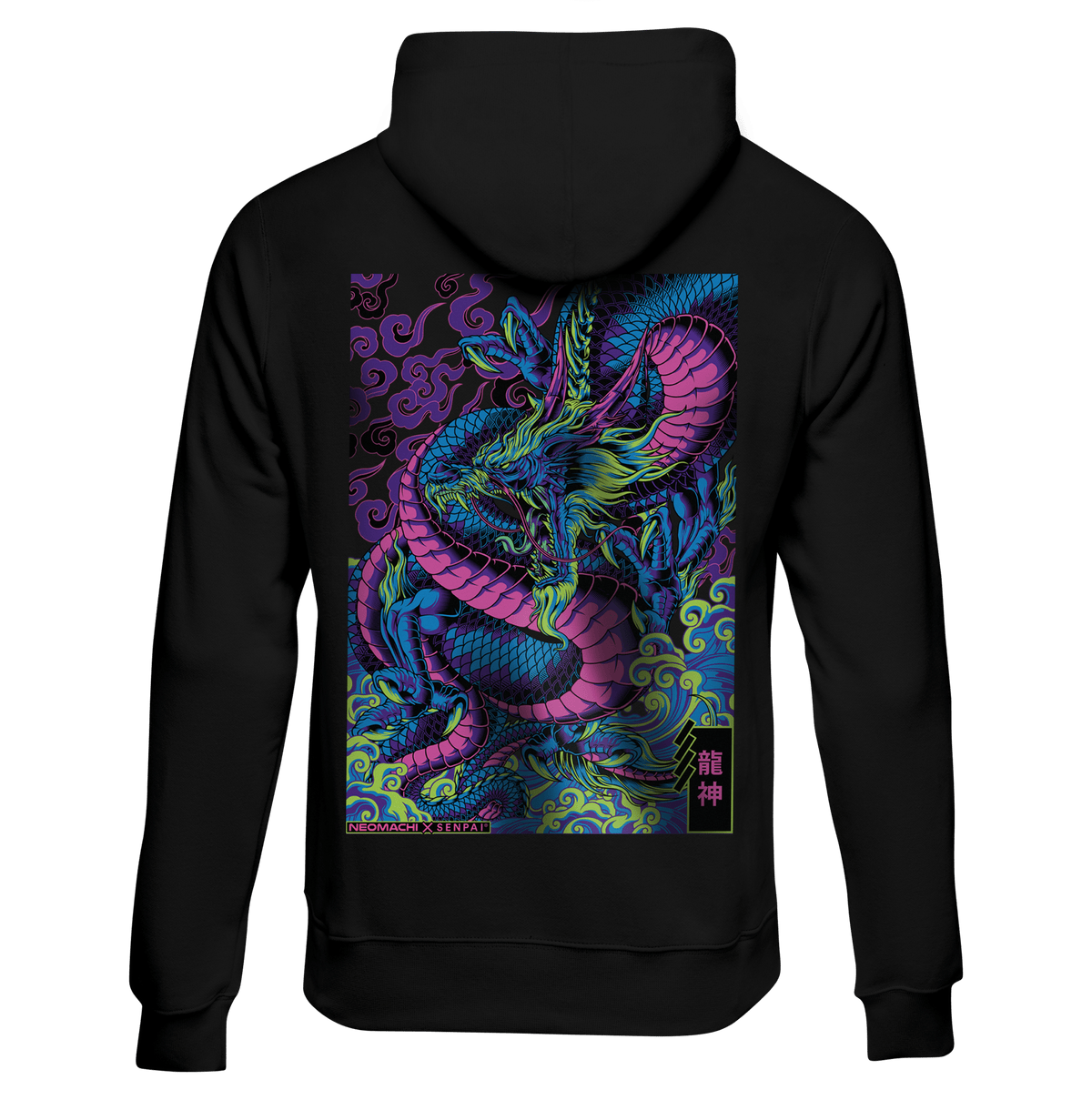
Dragon is ryū (竜, or the older, more ornate 龍). The native Japanese reading is tatsu, which is also the reading for the Year of the Dragon in the zodiac (辰). Japanese dragons are water beings rather than fire-breathers: they live in seas, rivers and clouds, bring rain and are tied to the sea god Ryūjin. Read the full story in our Japanese dragon meaning guide, including why Japanese dragons are often drawn with three claws. The eight-headed serpent-dragon Yamata no Orochi gets its own chapter in our Susanoo meaning post.
On the clothing side, the dragon is our RYUJIN hoodie and RYUJIN tee.
The Japanese word for wolf: ōkami
Wolf is ōkami (狼), also written okami or ookami. Said out loud it is identical to 大神, "great god", and rural Japan took that seriously: the wolf protected rice fields from boar and deer and was worshipped at mountain shrines such as Mitsumine. The Japanese wolf has been extinct since 1905. The whole history is in our okami meaning guide, and the design is the ŌKAMI hoodie.
The Japanese word for tiger: tora
Tiger is tora (虎). Tigers never lived wild in Japan, which is exactly why they became such a strong symbol: an animal known only from Chinese paintings and stories, fierce enough to scare away disease and bad spirits. The tiger is often paired with the dragon (tiger for earth and wind, dragon for water and sky), a match you see on screens, temple paintings and tattoos. More in our Japanese tiger meaning post, or wear it as the TORA hoodie.
The Japanese word for fox: kitsune
Fox is kitsune (狐). Foxes are the messengers of Inari, the god of rice and prosperity, which is why Inari shrines are full of stone foxes. In folklore the kitsune is a shapeshifter that gains tails as it gains power, up to nine. See our kitsune meaning guide for the tails, and the KITSUNE hoodie for the design.
Everyday animals with lucky meanings
Cat: neko (猫)
The cat's big moment is the maneki-neko, the "beckoning cat" with one paw raised that sits at the till of half the shops in Japan. Left paw invites customers, right paw invites money. Our maneki-neko meaning post explains the colours, and the MANEKI-NEKO tee puts one on your chest.
Dog: inu (犬)
Dogs stand for loyalty, thanks largely to Hachikō, the Akita who waited for his owner at Shibuya Station for almost ten years. Dogs are also linked with easy childbirth, because they give birth easily: pregnant women traditionally visit a shrine to pray for a safe delivery on a Day of the Dog. Read the Hachikō story or see the HACHIKO hoodie.
Rabbit, owl and monkey
The rabbit, usagi (兎), lives on the moon: where Western folklore sees a face, Japanese folklore sees a rabbit pounding rice cakes. The owl, fukurō (梟), is a pun-based charm, because fukurō can also be written 不苦労, "no hardship". The monkey, saru (猿), gave Japan the three wise monkeys carved at Tōshō-gū shrine in Nikkō: mizaru, kikazaru, iwazaru, see no evil, hear no evil, speak no evil. Even that is a pun: the Japanese "-zaru" ending ("not") sounds like saru.
Water and sky: koi, crane, turtle and crow
The koi (鯉) is the carp that swims up the waterfall and becomes a dragon, the classic image of perseverance; full details in our koi fish meaning post. The crane, tsuru (鶴), and the turtle, kame (亀), are the two great symbols of long life, summed up in the old saying tsuru wa sennen, kame wa mannen: "the crane lives a thousand years, the turtle ten thousand." Folding a thousand paper cranes (senbazuru) is a wish for recovery or peace.
The crow, karasu (烏), is better respected in Japan than in Europe. The three-legged crow Yatagarasu guided the legendary Emperor Jimmu through the mountains, and today it is the emblem of Japan's national football team.
Snakes and serpents: hebi (蛇)
Snake is hebi (蛇). Because it sheds its skin, the snake stands for renewal and rebirth, and white snakes in particular are seen as messengers of Benzaiten, the goddess of music, art and wealth; some people keep a piece of shed snakeskin in their wallet for money luck. The giant eight-headed Orochi (大蛇, literally "great snake") is the dark side of the same family. Our designs for both are the HEBI hoodie and the OROCHI tee.

Mythical animals: phoenix, peacock, kirin and lion-dogs
Some of the most important animals in Japanese art never walked the earth. The hōō (鳳凰) is the Japanese phoenix, a bird of virtue that appears in times of peace and sits on the roof of Byōdō-in's Phoenix Hall; in modern Japanese, the reborn-from-fire phoenix is fushichō (不死鳥), "the undying bird". See our Japanese phoenix meaning guide. The peacock, kujaku (孔雀), is real but was believed to eat poisonous snakes, which made it a Buddhist protector; it is our KUZAKU hoodie and the subject of our Japanese peacock meaning post. The kirin (麒麟) is the gentle holy beast of East Asian myth, a sign of wise rule; it is also why the Japanese word for giraffe is kirin, as our kirin meaning guide explains.
Finally, shishi (獅子) means lion, and the stone guardians at shrine gates are komainu (狛犬), "Korean dogs", lion-dogs that usually come in a pair. One has its mouth open, one closed, sounding out "a" and "un", the first and last sounds of the Sanskrit alphabet: beginning and end, everything in between protected. That pair is the idea behind our SHISHI tee.

Why these animals keep turning up in tattoos and streetwear
If the list above looks like a tattoo flash sheet, that is not a coincidence. Dragons, tigers, koi, snakes and phoenixes are the core motifs of traditional Japanese tattooing, each chosen for what it says about the wearer; our irezumi guide covers how they are combined. Streetwear borrowed the same vocabulary, and so did we: the animals are old, but a dragon or a wolf god drawn into a neon, 2077-style frame feels very current. For every other symbol, from torii gates to the Great Wave, see our full guide to Japanese symbols and their meanings.
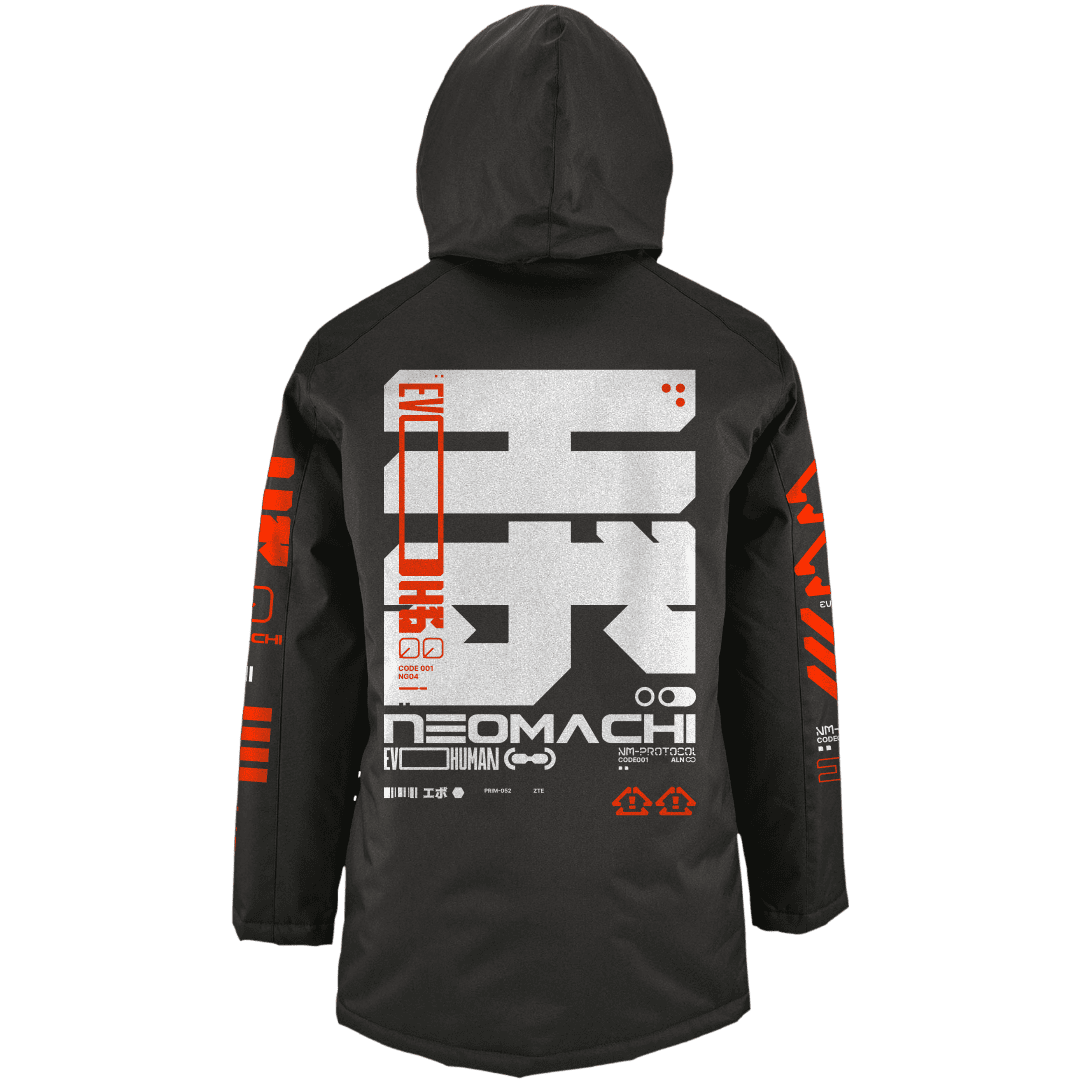
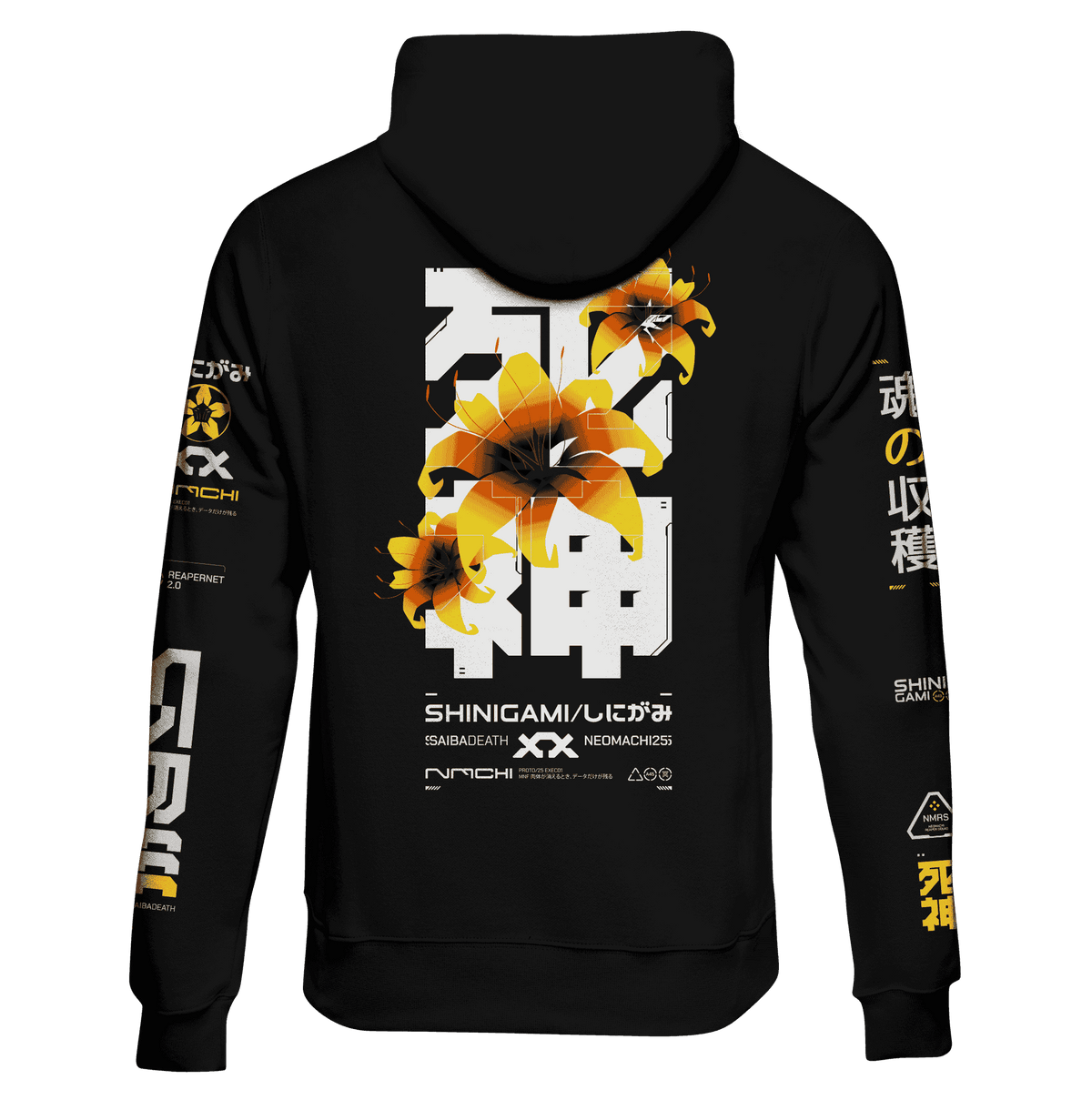
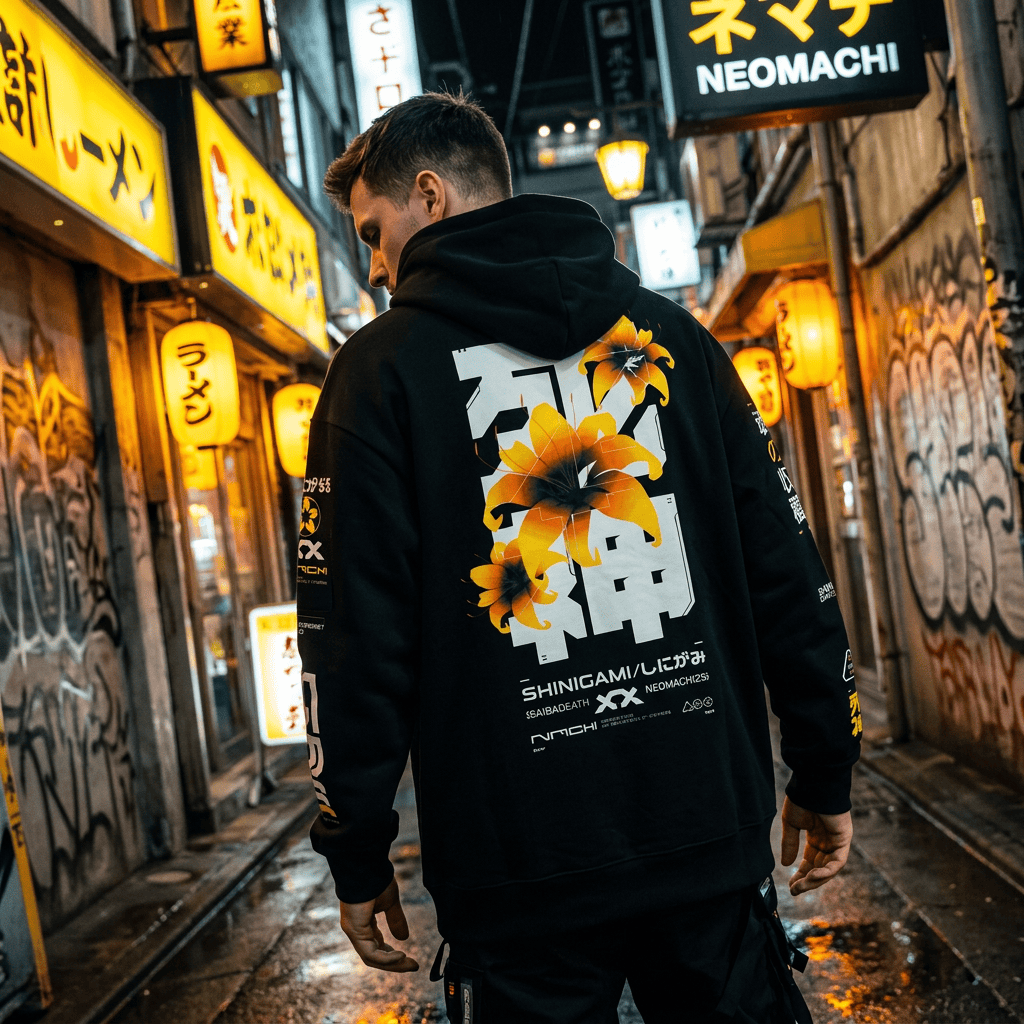
If you want to wear one, browse all our cyberpunk hoodies and cyberpunk t-shirts. The hoodies are true to size and slim, so size up for a baggier look (see how a hoodie should fit); the tees are a medium unisex fit.
Frequently asked questions
What is the Japanese word for dragon?
Ryū, written 竜 or 龍. The native Japanese reading is tatsu, which is also used for the Year of the Dragon (辰).
What is the Japanese word for wolf?
Ōkami (狼), also spelled okami or ookami. It sounds the same as 大神, "great god", which is part of why wolves were revered in Japan.
What is the Japanese word for tiger?
Tora (虎). In Japanese art the tiger is usually a symbol of courage and protection, and is often paired with the dragon.
What animal is a symbol of good luck in Japan?
Several: the beckoning cat (maneki-neko), the crane and turtle for long life, the owl (fukurō, "no hardship"), the koi for success and white snakes for wealth.
What is the most sacred animal in Japan?
There is no single one. Foxes serve Inari, deer are messengers of the gods at Kasuga Taisha in Nara, wolves were worshipped as mountain gods, and the dragon is tied to the sea god Ryūjin. Which animal is sacred depends on the shrine.